• Skip to primary navigation
  • Skip to main content
  • Skip to primary sidebar
The Mountain Kitchen
  • About
    • Meet David
    • His Royal Highness
  • Our Story
  • My Melanoma Story
  • Recipe Index
    • Appetizers
    • Bread
    • Cuisine
      • Asian Recipes
      • Italian Recipes
      • Mexican / Spanish Recipes
    • Desserts
    • Grilling and Smoking
    • Sauces, Spices and Seasonings
    • Main Dishes
      • Breakfast
      • Pasta Recipes
      • Salads
      • Sandwiches
      • Slow Cooker / Crock Pot
      • Soups & Stews
    • Meats
      • Beef Recipes
      • Chicken Recipes
      • Pork Recipes
      • Seafood Recipes
    • Side Dishes
    • Snacks
    • Vegetarian
  • Instagram
  • Pinterest
  • Twitter
  • YouTube
The Mountain Kitchen Logo

The Mountain Kitchen

FOOD WITH A VIEW

  • About
    • Meet David
    • His Royal Highness
  • Our Story
  • My Melanoma Story
  • Recipe Index
    • Appetizers
    • Bread
    • Cuisine
      • Asian Recipes
      • Italian Recipes
      • Mexican / Spanish Recipes
    • Desserts
    • Grilling and Smoking
    • Sauces, Spices and Seasonings
    • Main Dishes
      • Breakfast
      • Pasta Recipes
      • Salads
      • Sandwiches
      • Slow Cooker / Crock Pot
      • Soups & Stews
    • Meats
      • Beef Recipes
      • Chicken Recipes
      • Pork Recipes
      • Seafood Recipes
    • Side Dishes
    • Snacks
    • Vegetarian
  • Instagram
  • Pinterest
  • Twitter
  • YouTube
Home » The Mountain Kitchen Tips » Rinsing Canned Beans and Peas {The Mountain Kitchen Tips

As an Amazon Associate I earn from qualifying purchases

Rinsing Canned Beans and Peas {The Mountain Kitchen Tips

Published October 22, 2013 · By Debbie · 3 Comments

FacebookPinterestXEmail

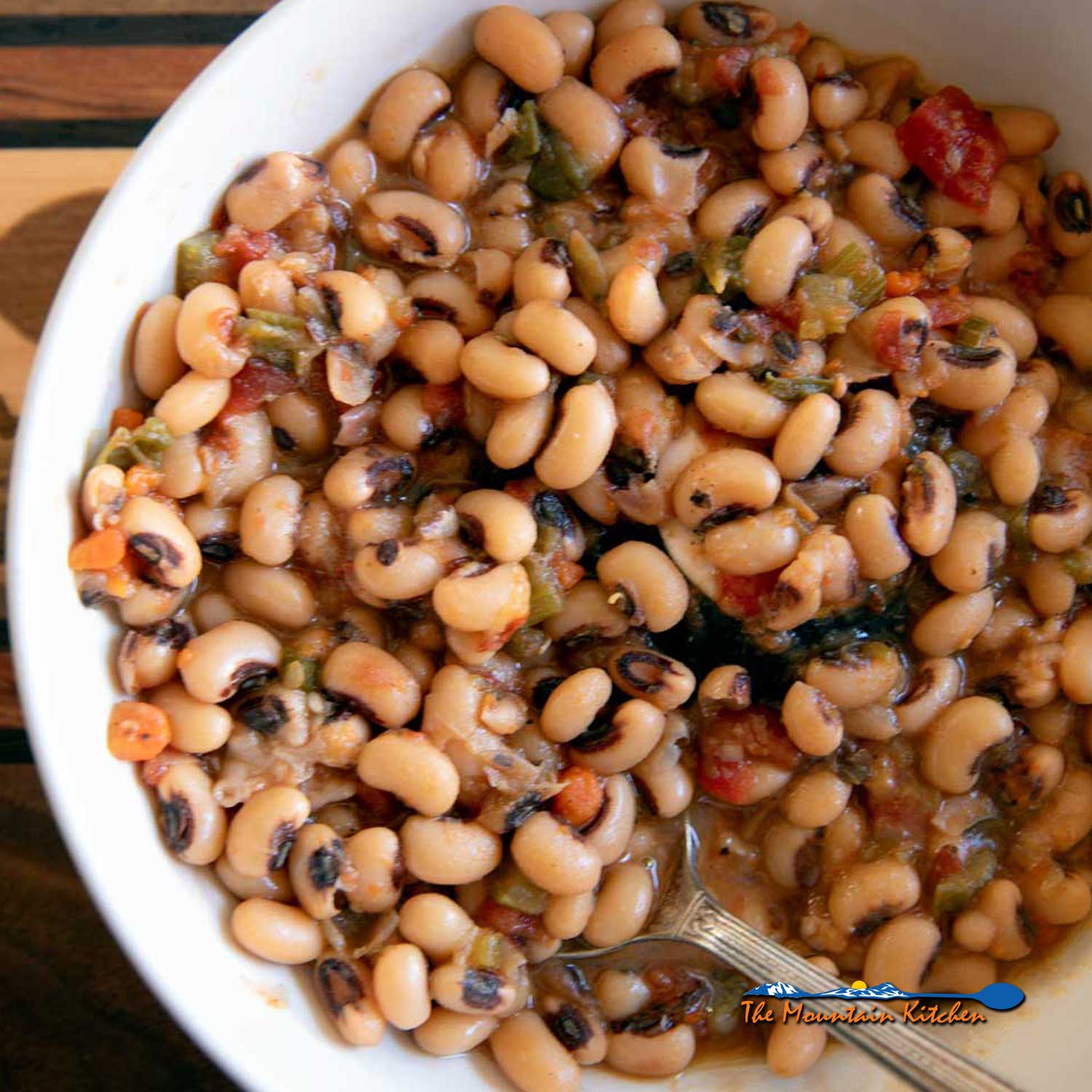
Astonishing! Did you know that rinsing canned beans and peas before using them reduces the sodium content by up to 40%!! Rinsing your beans and peas also gives you with fresher tasting beans and peas.

Canned beans or peas are inexpensive, non-perishable and a quick and healthy way to add protein to a meal. Canned beans are often high in sodium and the starchy liquid in the bottom of the can add a slightly strange, muddy taste to the dish you add them to.

I know you’ve seen that weird-looking goo in the bottom of the can. It’s so nasty! To avoid the excess sodium, I always drain and rinse my canned beans and peas under cold running water before adding to my recipe.

I hope next time you use canned beans or peas that you will remember this tip and practice it. You will end up with a much healthier and better-tasting final dish.
FacebookPinterestXEmail

Related Posts

Hoppin' John in bowl ready to eat

A Simple Easy To Make Hoppin John Recipe

slow-cooker navy beans in bowl with ham and a spoon

Slow-Cooker Navy Beans Recipe With Ham

refried beans in bowl

Crock Pot Refried Beans {Christina's Frijoles Recipe

The Mountain Kitchen Tips

Previous Post: « Ratatouille Spirals {A Meatless Monday Recipe
Next Post: Mountain Birthday Memories: Helping “Chicago” Celebrate His Birthday »
about us

About Debbie & David

We live on the side of the Blue Ridge Mountains, in Virginia. I am the author and photographer here at The Mountain Kitchen, where I share delicious homemade recipes using clean food ingredients, and stories about mountain life. Read more...

Reader Interactions

Leave a Reply Cancel reply

Your email address will not be published. Required fields are marked *

Recipe Rating


This site uses Akismet to reduce spam. Learn how your comment data is processed.

Comments

  1. K. Quesenberry says

    October 22, 2013 at 8:46 am

    I’ve never heard that suggestion before. But that leads to another question. I fix a batch of pinto beans now and then, which of course begins with soaking them overnight. If you ever fix beans like that, would you change the water before cooking them?

    Reply
  2. debbeedoodles says

    October 22, 2013 at 12:18 pm

    I have always heard to discard the soaked water from beans that have been soaking. I have always done this. I did a some quick research and this is why your discard the water after soaking:

    Soaking makes the beans more digestible. It cleans them more thoroughly (since beans cannot be washed before being sold or they can turn moldy). Soaking beans helps them to cook up in about half the time.

    So after the beans have soaked for a while, the soaking water now contains these elements that you are trying to eliminate by soaking the beans in the first place.

    And this is why the bean water is discarded. So it is best to drain the water and rinse the beans thoroughly before cooking.

    Hope this helps!

    Reply
  3. K. Quesenberry says

    October 22, 2013 at 1:04 pm

    Well, I guess that explains it. However, I never have. And when I eat them, I use plenty of salt, but no sodium. Don’t add any pork, though, but I do throw in sliced onions (about halfway through the cooking) and some chili seasoning.

    Reply

Primary Sidebar

debbie and david

Hey! My name is Debbie Spivey and this is my husband David. We live on the side of the Blue Ridge Mountains, in Virginia. I am the author and photographer here at The Mountain Kitchen, where I share delicious homemade recipes using clean food ingredients, and stories about mountain life. LEARN MORE >>

  • Instagram
  • Pinterest
  • Twitter
  • YouTube

Search For Something

Melanoma – It’s Not Just Skin Cancer

melanoma story
contact us

AS SEEN ON

as seen on

Copyright © 2026 · themountainkitchen.com · All rights reserved · Privacy Policy · Policies and Disclaimers · Contact Us