
Learn how to smoke cheese at home with this simple guide. Discover tips, best cheeses, and cold-smoking techniques for rich flavor.
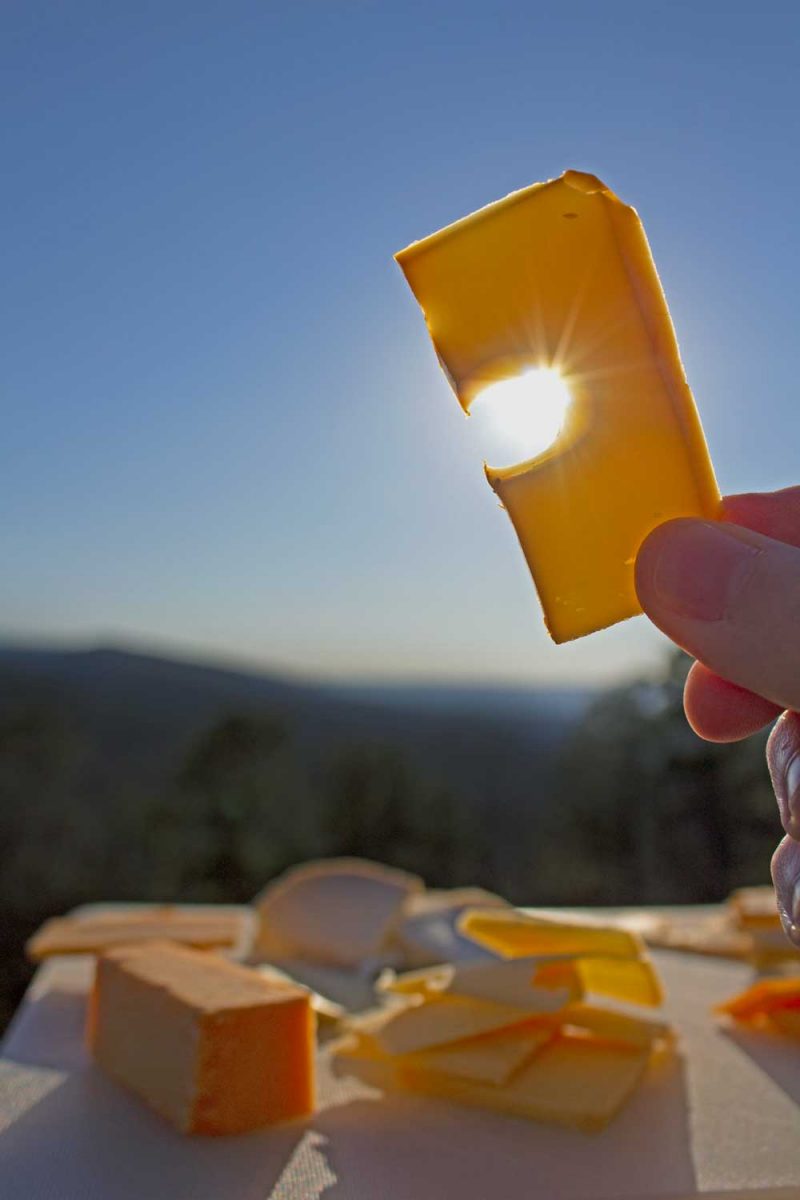
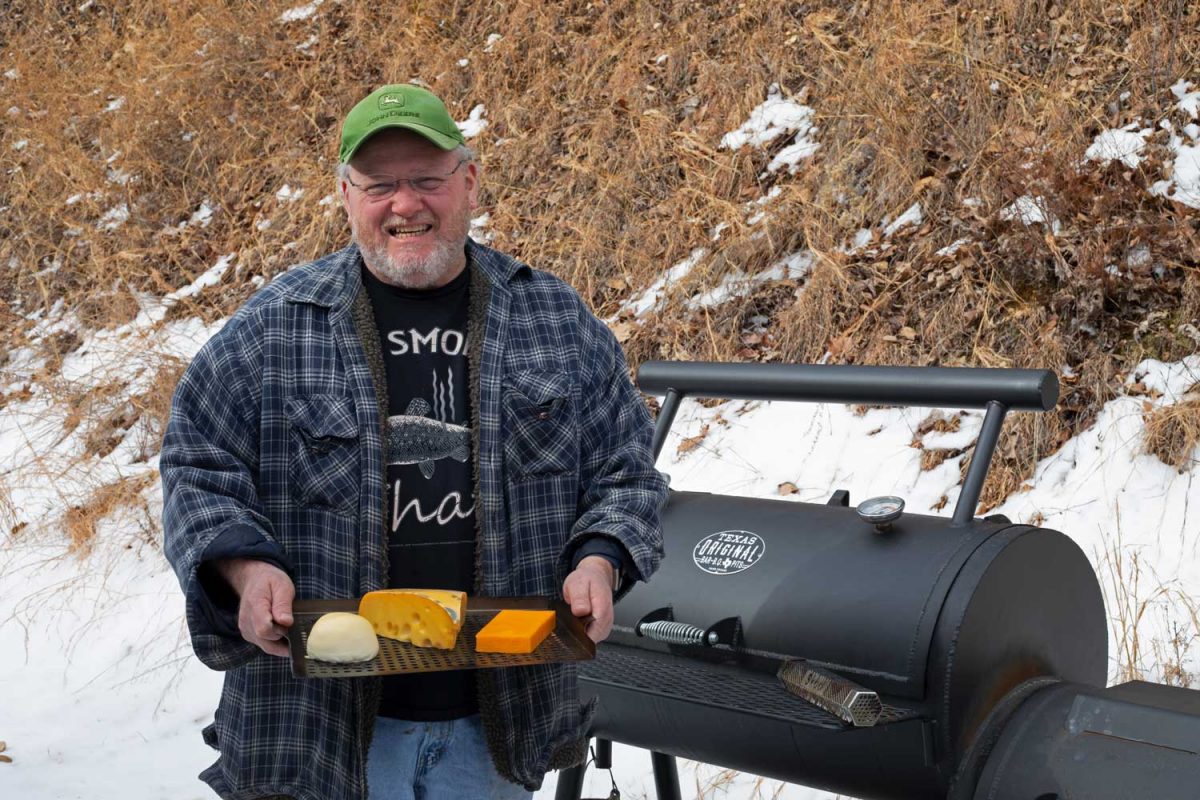
David and I first tried smoking cheese last winter, and it quickly became one of our favorite backyard activities. Winter is the perfect time to smoke cheese, as the temperatures must stay low to achieve the best results. Smoked cheese made at home tastes much different from store-bought varieties. Smoking cheese yourself is more flavorful, customizable, and affordable than the store-bought cheese you buy.
Follow our easy step-by-step guide to learn how to smoke cheese at home in your backyard. The process is simple, but the hardest part is waiting for the cheese to rest and allow the smoky flavors to develop fully.
What is Smoked Cheese, and Why Should You Make It at Home?
Smoked cheese is pretty special. When done right, it picks up a smooth, rich flavor with just a hint of toasted earthiness. The smoking process creates a nice yellowish-brown layer outside, giving it a smoky look and taste. This guide focuses on cold smoking, which lets you get that delicious flavor without worrying about the cheese melting. Making smoked cheese at home is much cheaper than buying it from the store, but you can also tweak the flavors to your taste. Once you try it, you won’t enjoy the store-bought stuff much anymore.
What Is Cold Smoking, and How To Do It?
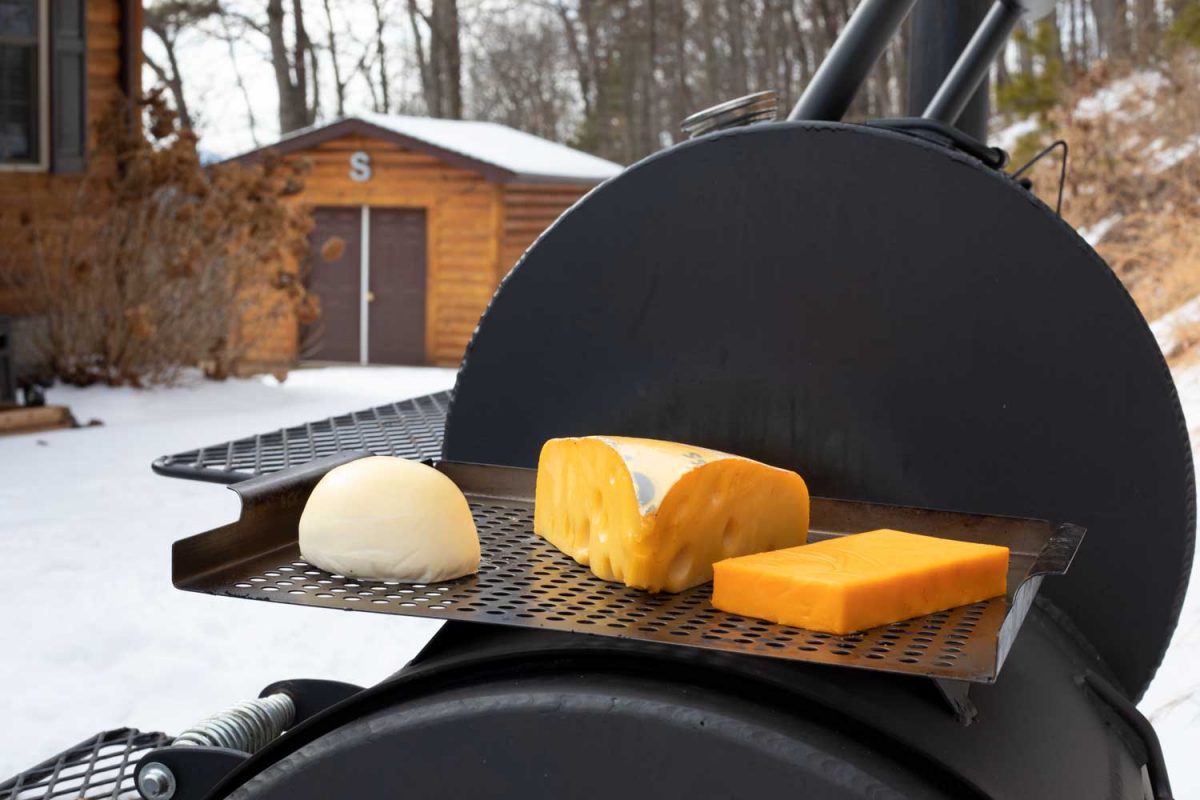
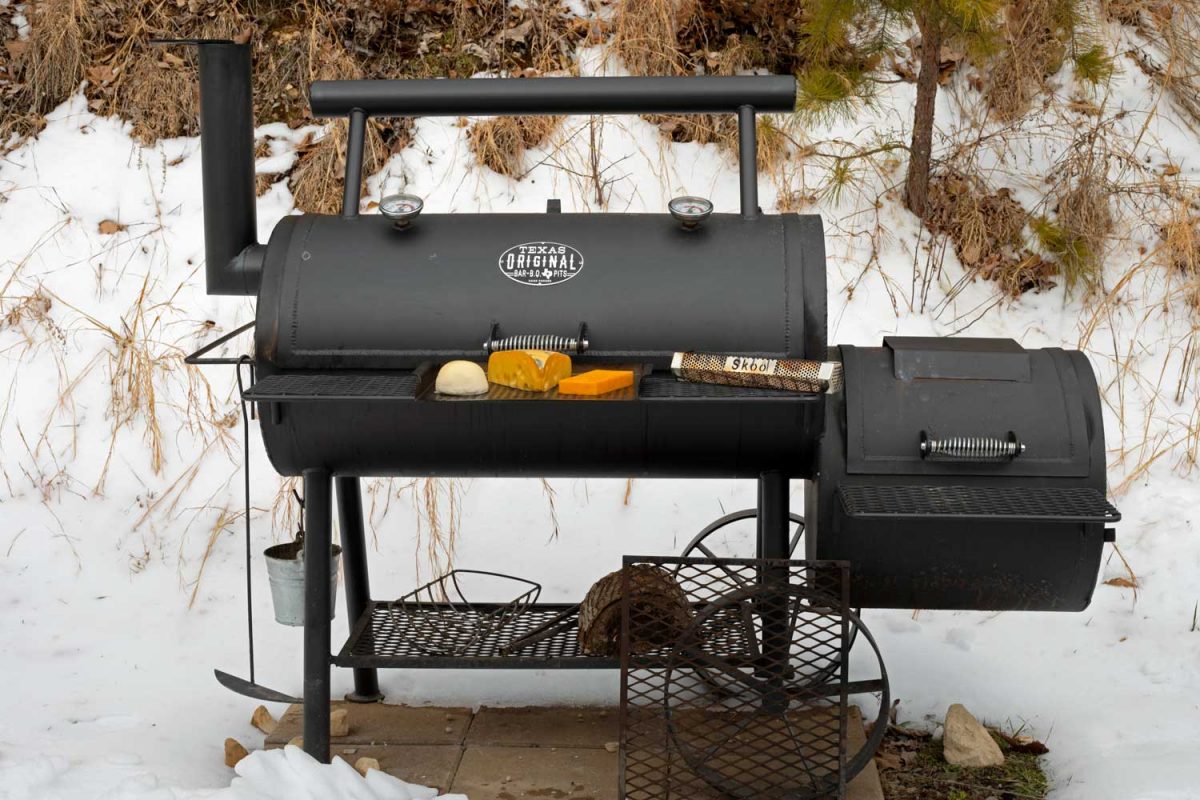
The cold smoke method involves smoking blocks of cheese on a charcoal grill or smoker for a few hours at a very low temperature. The smoke fills the smoke chamber and penetrates the cheese without getting too hot and melting the cheese.
The ideal temperature range for cold smoking is typically between 65 degrees F and 85 degrees F, which smokes the food without cooking it.
There are two ways to cold smoke cheese:
- Use an offset or pellet grill to smoke the cheese indirectly so that the heat source is kept away from the cheese but not the smoke.
- Use a regular grill, smoking as indirectly as possible with the cheese over an aluminum pan of ice to help keep the temperature down.

At What Temperature Do You Smoke Cheese?
Temperature is crucial when smoking cheese. Fatty milk solids start to liquefy at about 90 degrees F. You must smoke cheese below 90 degrees F.
It’s also a good idea to keep the weather in mind when smoking cheese—the cooler it is outside, the less you have to worry about temps.
As you can tell by our video, David was scraping snow off our offset smoker before smoking the cheese.
Best Cheeses For Smoking
Choose any hard or semi-hard cheese with a mild flavor that you enjoy. Avoid soft cheeses, as they tend to absorb too much smoke. If you’re new to smoking cheese, start with a mild and affordable option like cheddar before moving on to more expensive varieties.
Recommended Cheeses For Smoking:
- Cheddar
- Mozzarella
- Gouda
- Monterey Jack
- Gruyere
- Brie
- Swiss
I recommend buying the cheese in bulk which usually means larger bricks. It’s much cheaper to purchase them at a wholesale club. You can cut the bricks down before smoking.
Use chunks of cheese that are around 2×6 or close to it.
Visit Cheese.com for a detailed list of cheese varieties with descriptions, flavor profiles, and uses. This is the perfect website for exploring different types of cheese to smoke.
The Best Fuel To Smoke Cheese
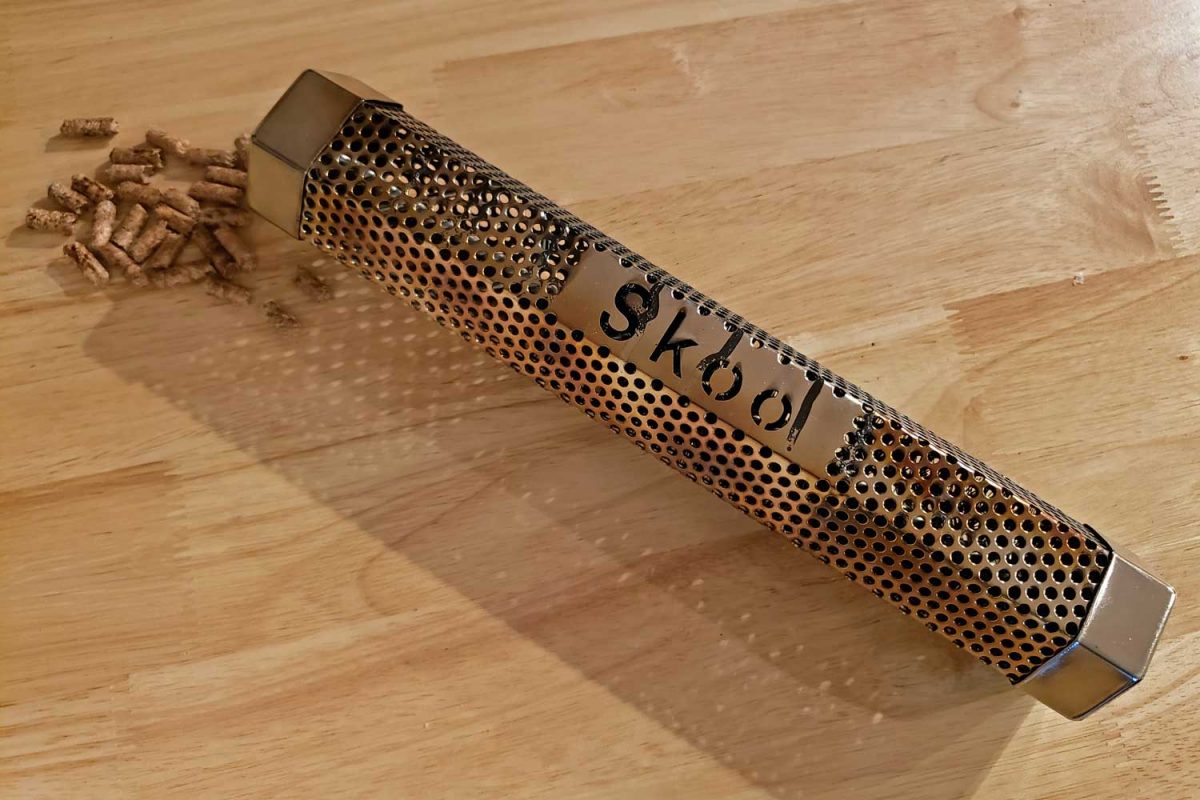
There are many ways to create the smoke for cheese: natural lump charcoal and woodchips, sawdust, straw, and hay. We highly recommend that you use wood pellets and a smoke tube. It’s the easiest way to smoke cheese.
Wood pellets and a smoke tube provide a simple and efficient method for smoking cheese. This setup creates a steady, mild stream of smoke that lasts for hours. If you don’t have a smoke tube, you can improvise by arranging wood pellets in a snake-like pattern on a piece of heavy-duty aluminum foil or inside a pan to keep them contained.
You can find an affordable smoking tube like ours HERE.
Top Woods or Pellets For Smoking Cheese
A soft, mild smoke works best when smoking cheese. Wood or pellets like oak, pecan, cherry, maple, and apple offer amazing flavor profiles that complement the cheese. We have also used hickory and mesquite but did not give them more than a couple of hours. To find your favorite combination, try experimenting with different woods using more affordable types of cheese, such as cheddar.
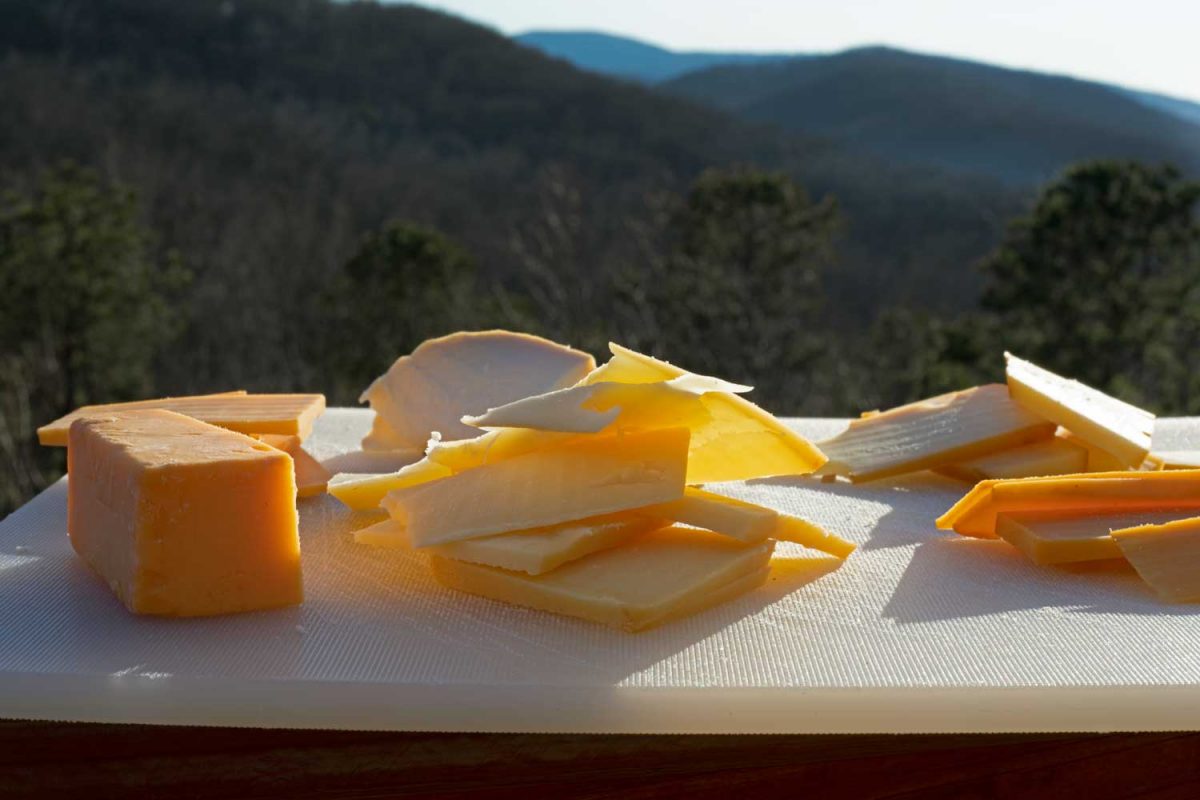
How long does it take to smoke cheese?
Smoking cheese typically takes 2 to 4 hours, depending on your taste preferences and the results you’re aiming for.
After smoking, the cheese must rest for the flavors to develop fully. Wrap it tightly in wax paper and store it in the refrigerator for at least 1–2 weeks before enjoying it. The flavor will be overwhelmingly strong if you try to eat the cheeses immediately after smoking. Letting it rest in the fridge for a week or two allows the smoke flavor to mellow and blend harmoniously with the cheese.
We recommend tasting the cheese after one week, but for the best flavor, wait about two weeks. It’s tough to resist, but the wait will be absolutely worth it!
How To Store Smoked Cheese
- How to wrap smoked cheese seems to be a highly debated topic. Some say the cheese needs to breathe and be wrapped in butcher paper, parchment paper, or wax paper. After that, wrap the cheese in plastic wrap or vacuum-seal it. However, plastic keeps the cheese from drying out.
- Ultimately, it is your choice what you wrap the cheese in. We use Press’n Seal plastic wrap without any issues with moisture or taste.
- Properly wrapped cheese can last 6-8 weeks in the fridge.
- We do not recommend freezing smoked cheese as it will affect the texture.
What’s Needed to Smoke Cheese
With the right tools and materials, smoking cheese is straightforward and rewarding. If you’re ready to smoke some cheese, here’s everything you’ll need to get started:
- Outdoor grill or smoker – offset grill, water smoker, or pellet grill are ideal, but any grill will work.
- Cool outdoor temperatures – 60 degrees or below is ideal for smoking cheese
- Cheese – Cheddar, mozzarella, gouda, Monterey jack, gruyere, brie, and Swiss.
- Grilling pan or tray – This is unnecessary but extremely helpful when placing and removing the cheese from the grill. Make sure to use a grilling pan or tray with holes to allow the smoke to circulate around the cheese. A cast-iron frying pan will not work well.
- Wood Pellets – mild fruit and nut woods
- Smoking Tube – or aluminum foil or pan
- Butane Torch – Heavy-duty lighter to start pellets
- Wrapping Material – plastic wrap or even a zip-top bag. Some may even opt for butcher or waxed paper because it can breathe. A vacuum sealer is ideal for long-term storage after the smoke has mellowed.
How to Cold Smoke Cheese: Step-by-Step Guide
Here’s David’s ultimate guide to perfectly smoked cheese—follow these steps for results that are well worth the wait!
Step 1: Prep the Cheese
Begin by allowing the cheese to reach room temperature. Placing cold cheese directly in the smoker can cause condensation, which interferes with its ability to absorb smoke. Remove the cheese from the fridge at least two hours before smoking, and if any moisture forms, gently wipe it away. We have found that if the weather is particularly cold, you might be able to skip this step, as cheese rarely sweats on chilly days, especially when snow is lying around.
Step 2: Create the Smoke
Light your smoking tube following the manufacturer’s instructions and place it in the smoker. Ensure there are no flames—just clean, steady smoke. Arrange the cheese on a grill pan with holes or directly on the grate, ensuring the pieces don’t touch. Proper airflow around the blocks allows the smoke to coat every side evenly.
Step 3: Smoke the Cheese
Use a grilling grate thermometer to monitor temperatures, especially on warmer days. Close the smoker lid and let the cheese absorb the smoke for 2–4 hours, depending on your desired flavor intensity.
Step 4: Wrap, Rest, and Wait!
Once smoked, remove the cheese and wrap it tightly. Let it rest in the refrigerator for at least a week to allow the flavors to meld and mellow. For the best taste, wait two weeks before enjoying. Store unused cheese in sealed plastic wrap in the fridge, which can last 6–8 weeks.
Smoked Cheese Tips And Tricks
Follow these tips for perfectly smoked cheese every time!
- Check the Weather: Choose to smoke cheese when the weather is cooler than 60 degrees outside.
- Use a Probe Thermometer: If there is any question about the temperature of the grill or smoker, use a probe thermometer (like this one) to monitor the temperature. Make sure that the temps DO NOT rise above 80-90 degrees F.
- Ice Pan: A foil pan of ice placed inside the smoker under the cheese can reduce the temperature around the cheese for the duration of smoking.
- Small Blocks: For best results, blocks of cheese should be relatively small, like a pound or less, about 3-4 inches in length. Smaller chunks will take on the smoke better than larger chunks.
- Room Temperature: Allow the cheese to come to room temperature and wipe away any moisture that forms on the surface of the cheese before smoking.
- No heat or flame: You want to smoke the cheese with a steady light and consistent stream of smoke without heat or flame.
- Rotation: Consider rotating the cheese if the smoke only comes from one direction inside the smoke chamber. Moving the cheese around ensures the cheese blocks take on smoke equally.

What to do With Smoked Cheese
Rich smoky cheese compliments nearly everything you make with it. Here’s a list of ways you can use smoked cheese:
- Snack or Appetizer
- Pasta – Mac & Cheese, Lasagna
- Sandwiches – Burgers, sandwiches
- Nachos
- Pizza
- Dips
- Cheese Sauce
- Gifts
- And so much more!
We hope you enjoy making smoked cheese at home as much as we do! If you try this recipe, we’d love to hear how it turns out. Feel free to leave a comment and rate the recipe below—your feedback means a lot!
Keeping it smoky and sweet,


How To Smoke Cheese: A Step-by-Step Guide
Useful Equipment:
- Outdoor grill or smoker – offset grill, water smoker, or pellet grill are ideal, but any grill will work
- Wood Pellets
- Wrapping Material – Wax Paper then inside a zip-top bag (vacuum seal if you have one)
Ingredients
- Cheese About 2×6 chunks of Cheddar, mozzarella, gouda, Monterey jack, gruyere, brie, and swiss.
Instructions
Prep the Cheese:
- Bring the cheese up to room temperature. Take the cheese out of the refrigerator at least two hours before smoking it.
- Wipe off any moisture that forms on the cheese before smoking it.
Make the Smoke:
- Light your smoking tube per the manufacturer’s instructions and place it in your smoker. Make sure there are no flames. When a steady stream of smoke is coming from the tube, arrange the cheese non-touching on a grill pan or directly on the grilling grate. Make sure there is plenty of airflow between each block so that smoke can get to the cheese on all sides.
Smoke the Cheese:
- Close the lid and let the magic happen. Smoke the cheese for 2-4 hours.
Remove, Wrap and Wait!
- When the cheese has finished smoking, remove the cheese from the smoker. Wrap the cheese up and wait for at least a week for the flavors to meld and develop. In our opinion, we like it best after two weeks of rest. Eat or use, then store sealed in plastic wrap for 6-8 weeks in the refrigerator.





Liz says
Can’t wait to try this!! thank you