

Today, I will share four ways to preserve basil for the winter months.
We are supposed to get our first frost of the season this week! If you haven’t already had a frost, hurry up and get those tender plants outside inside, or say goodbye! I plan to dig up my basil plant, pot it, and bring it inside for the winter. I seem to have a very green thumb regarding this fresh herb, so I hope to keep it alive in the basement in front of the glass doors, where it will get lots of sunlight.
Basil is a very tender herb and once picked, basil wilts at an alarming rate. I have been testing ways to preserve basil for the past few weeks. I aimed to devise a way to preserve basil almost as fresh as I had picked it off the plant on a warm summer day. Digging up the basil plant is dramatic, but several preservation methods exist.
4 Ways to Preserve Basil For the Winter Months
These four methods are the easiest and most effective ways to preserve basil for the winter months.
1. Blanch and Freeze:
Frozen basil can be used precisely as you would with fresh leaves.
Step 1: Rinse the basil under cold water and shake excess water into the sink.
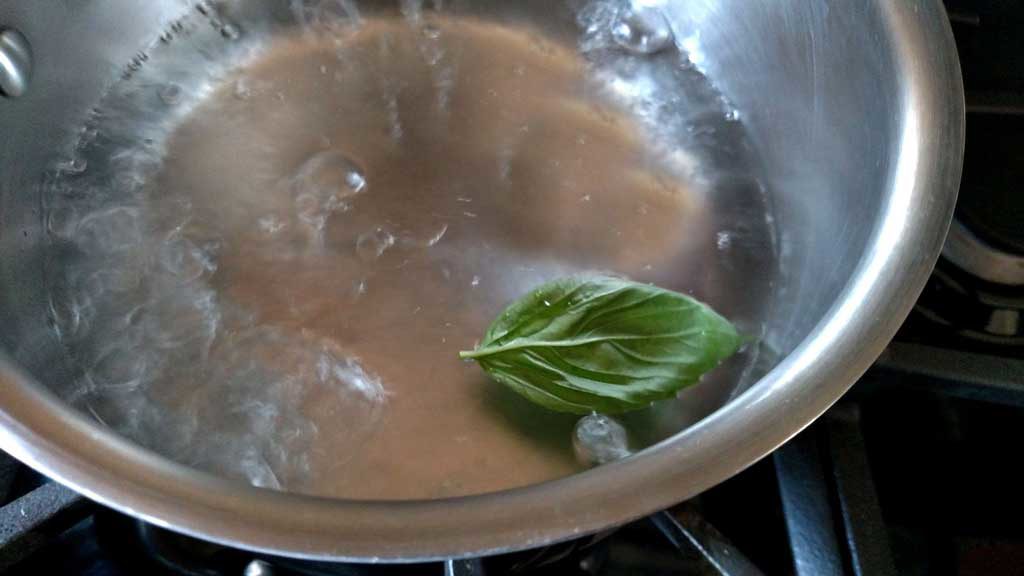
Step 2: Remove the basil leaves from the stem and blanch them in boiling water for 2 seconds.
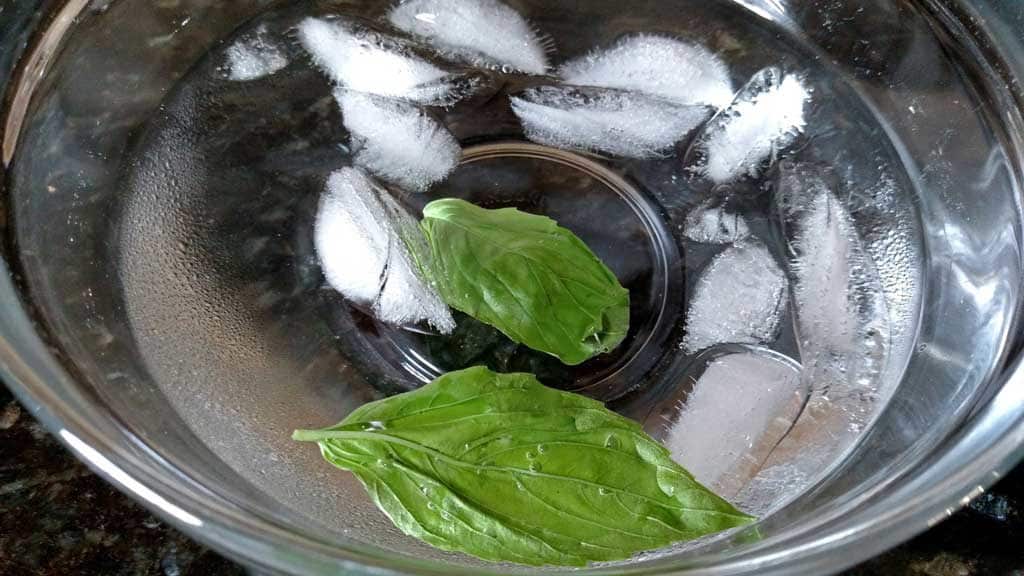
Step 3: Transfer the leaves to an ice bath.
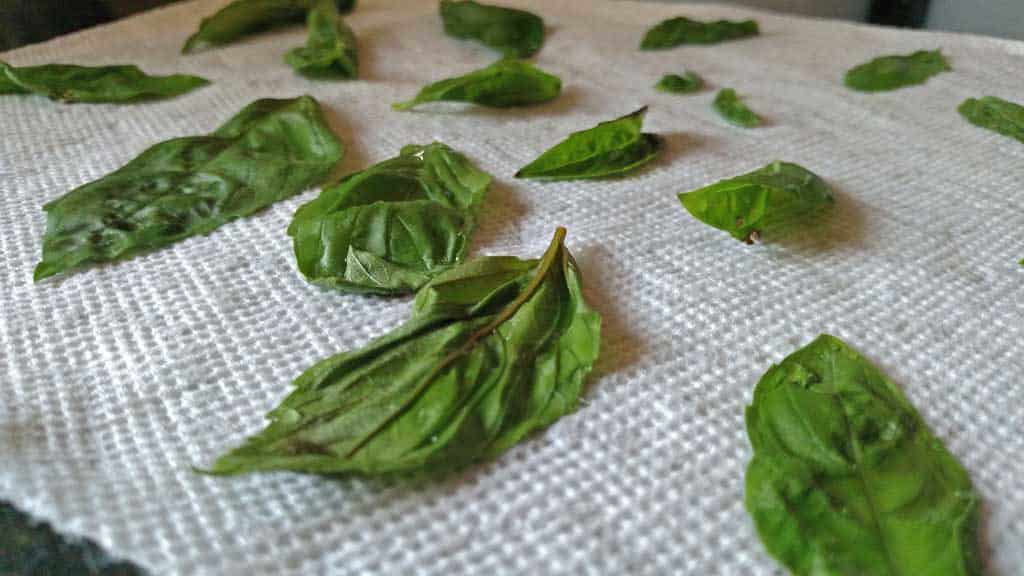
Step 4: Dry completely on top of paper towels.
Step 5: Store in a freezer bag or freezer-safe container. Place the leaves in a single layer onto wax or parchment paper, then layer the sheets of leaves before placing them into the container or bag.
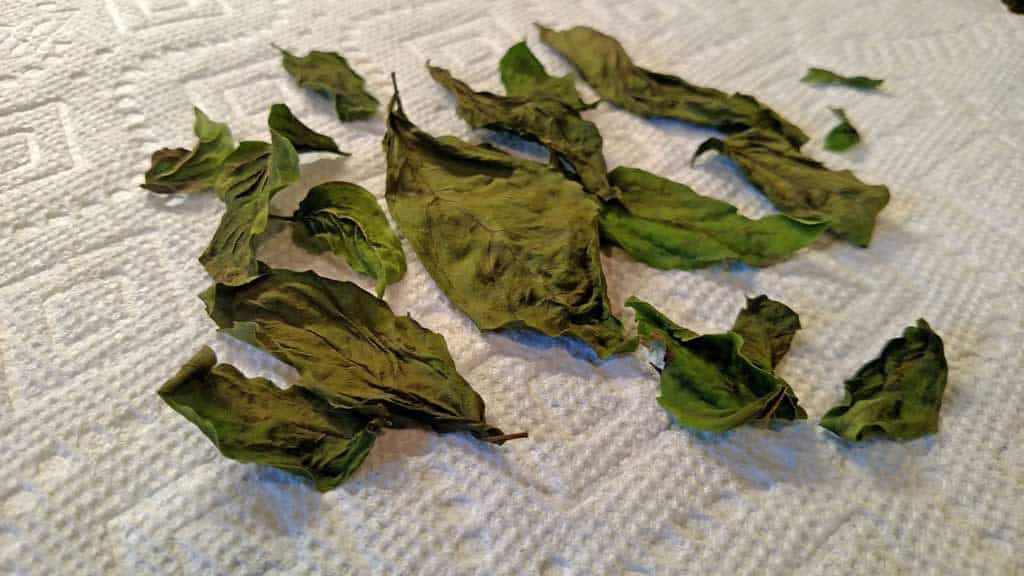
Note: As you can see from the photo above, the leaves discolor somewhat and shrink as they freeze, so keep in mind to use slightly less than if cooking with fresh basil.
2. Tear and Freeze:
Frozen basil can be used exactly the same way as you would with fresh leaves.
Step 1: Rinse the basil under cold water and shake excess water into the sink.
Step 2: Remove the basil leaves from the stem. Place 3 to 4 whole leaves into a cube of the ice tray for smaller leaves. For larger leaves, tear each leaf into bite-size bits as you would if you were garnishing your plate. Place them into a cube of the ice tray.
Step 3: Fill the ice tray with water, using your finger to push down and submerge each cube.
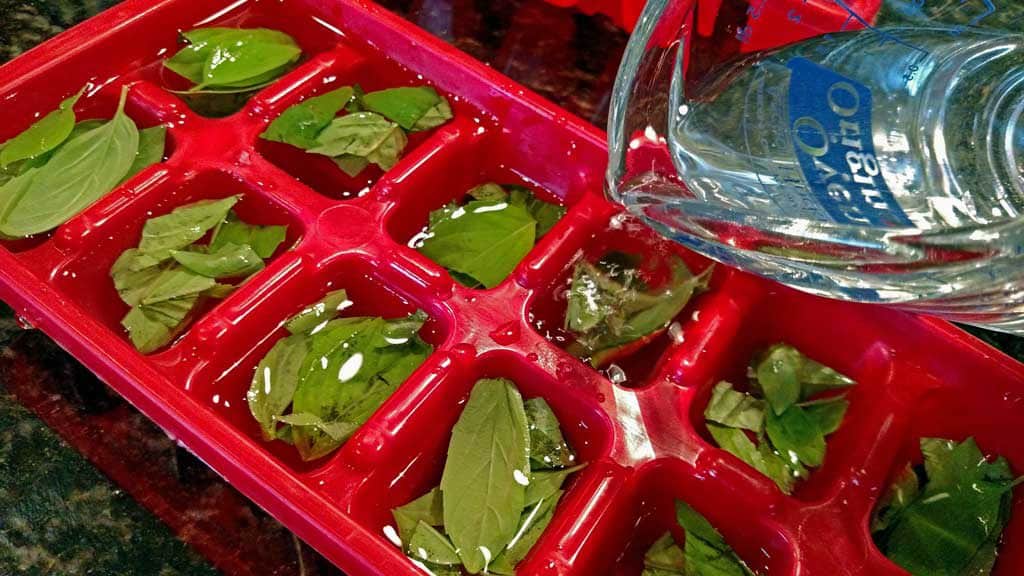
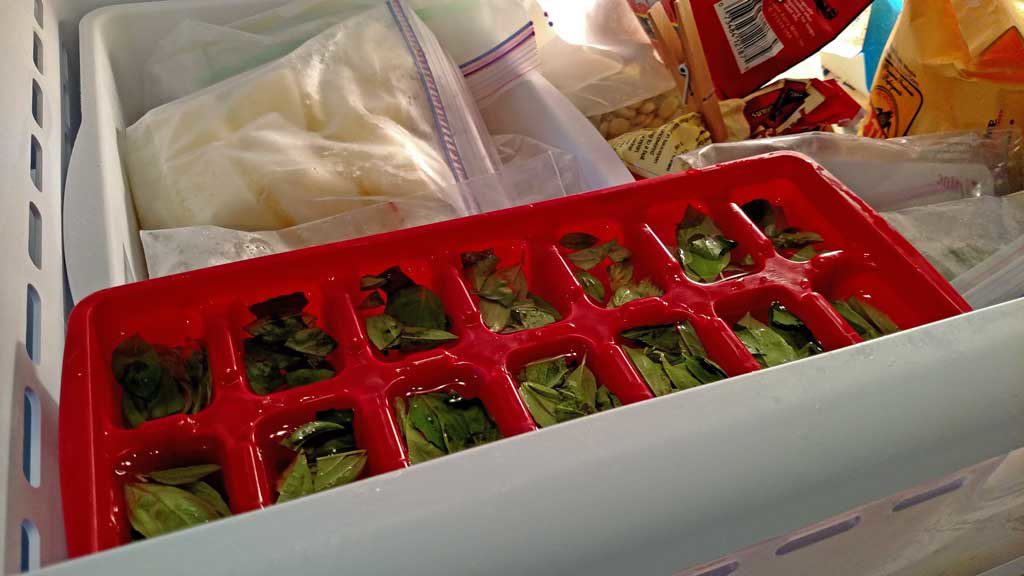
Step 4: Freeze until solid. Crack the cubes out onto the tray and place them into a freezer bag or freezer-safe container.
Step 5: Defrost the cube by placing it in a sieve over a glass. For a faster method, place the cube over the sieve and run water over it until melted (DO NOT USE HOT WATER). Place the defrosted leaves onto a paper towel and blot to remove excess moisture.
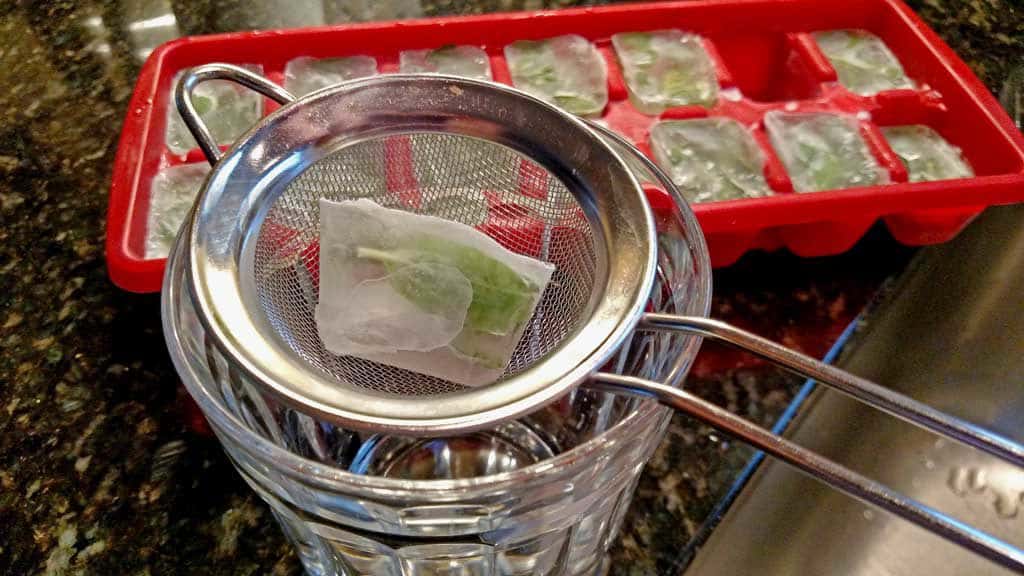
Note: This method is the closest to fresh that I experimented with. However, there is a little forethought and planning to take into consideration to thaw the leaves from the ice.
3. Dry the leaves:
If you like cooking with dried basil, you won’t have to buy any from the store anymore. There are a few different methods, but I like the oven-drying approach the most because it’s so easy, and I believe it is much safer because you don’t have to worry about mold.
Step 1: Remove the basil leaves from the stem, then wash and dry thoroughly, by placing them in a single layer on paper towels.

Step 2: Set your oven to the lowest temperature (mine was 170 degrees F). Place the basil leaves on a baking sheet, then place it in the preheated oven.
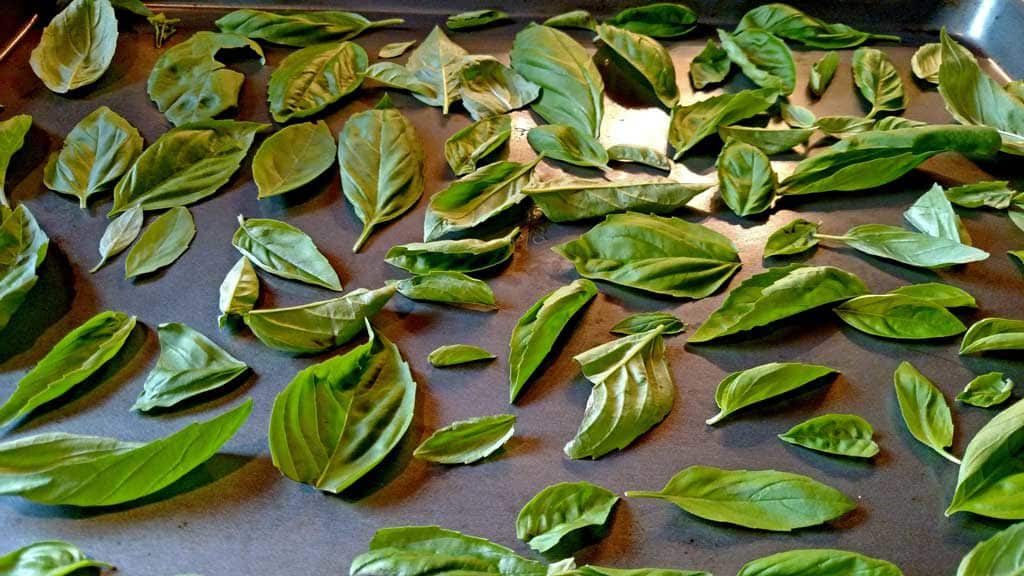
Bake for 1 hour 15 minutes, or until the leaves are crumbly and sound crispy when pinched.
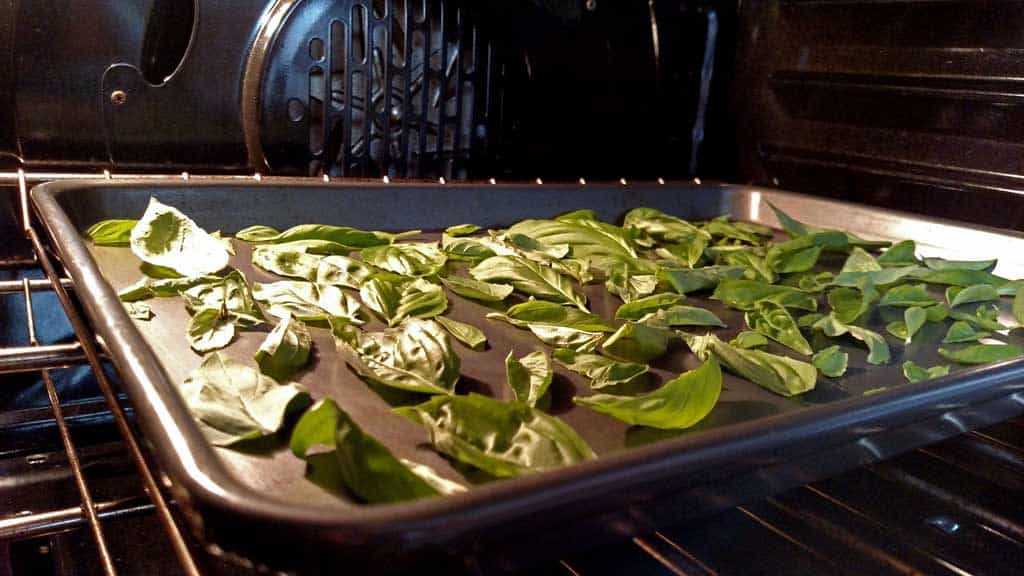
Step 3: Remove the basil from the oven and cool.
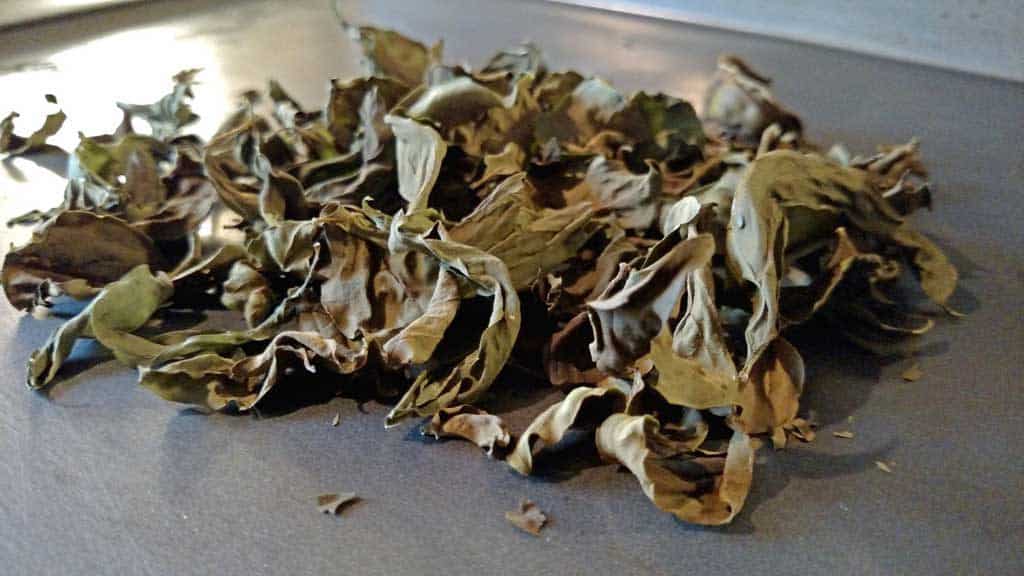
Crumble the leaves by hand or gently crush them with a mortar and pestle. Store the crumbled leaves inside an airtight container.
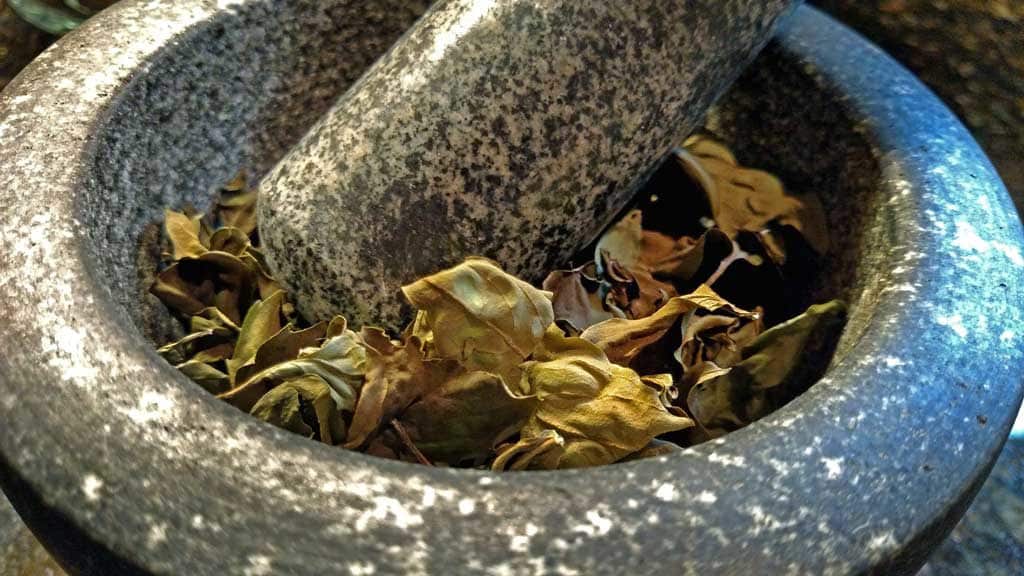
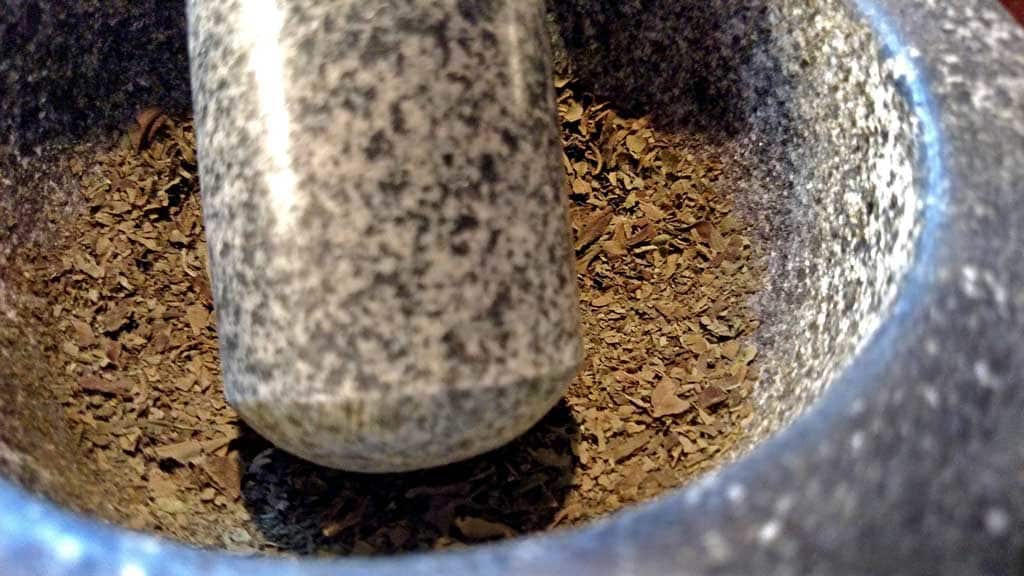
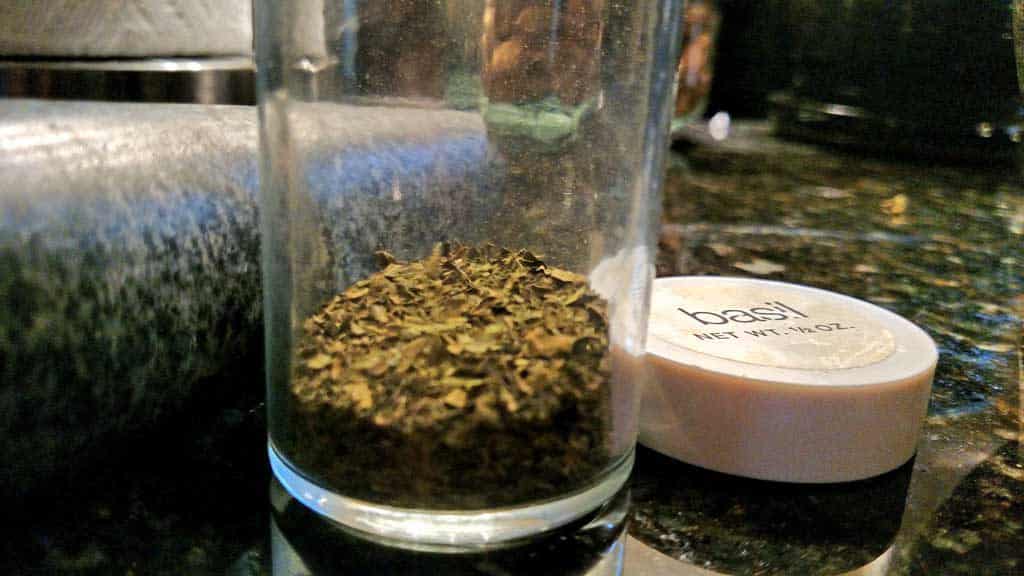
Note: Filling a spice jar takes 4 or 5 sheet pans full of leaves, but it is worth the effort. The smell of this dried basil is 50% stronger in scent than the store-bought stuff. That just shows you how much fresher homemade basil leaves can be
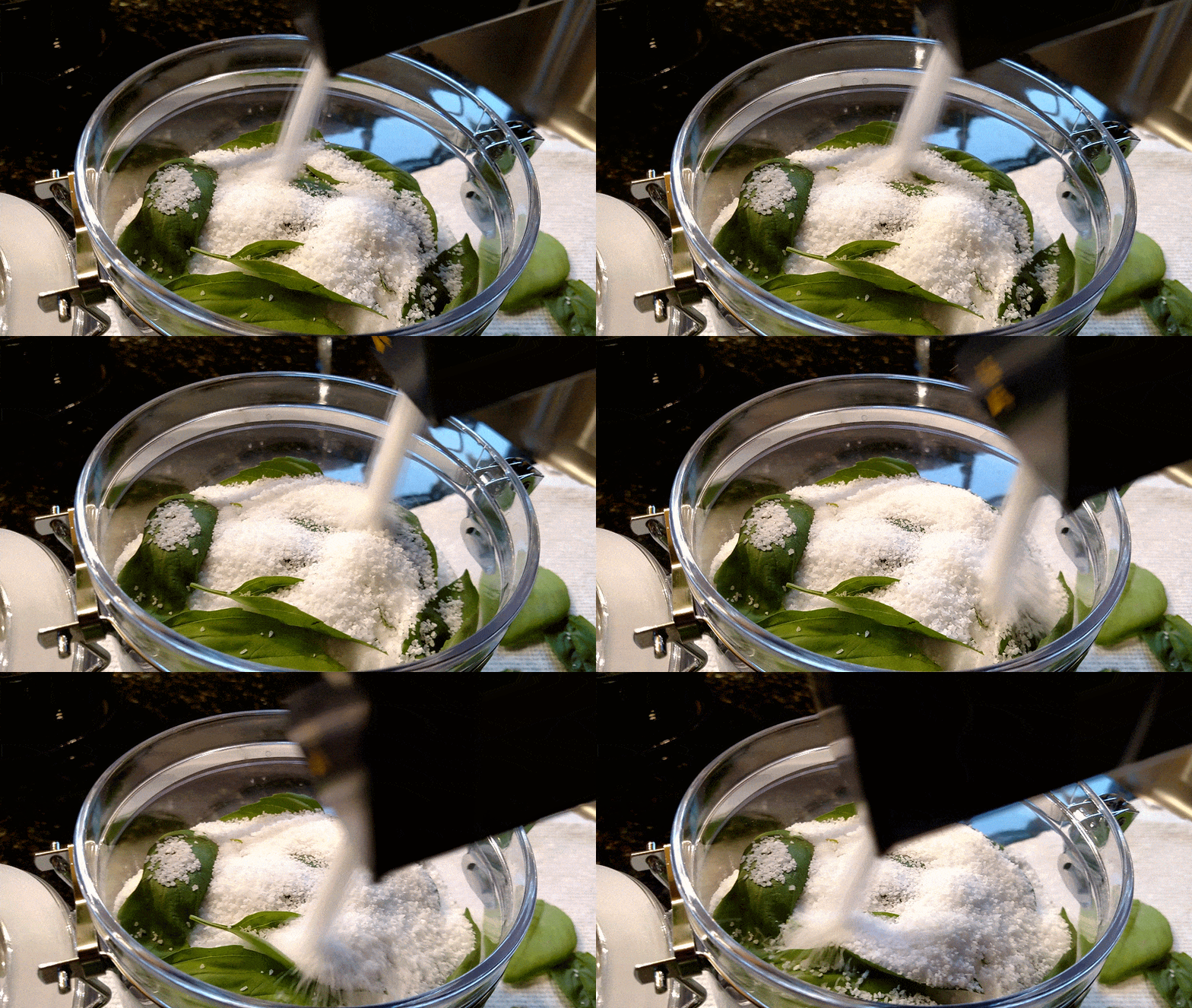
4. Store them in Salt
For many moons, salt has been a common food storage and preservation method.

Step 1: Pour a ¼-inch of salt into the bottom of a glass pint jar.
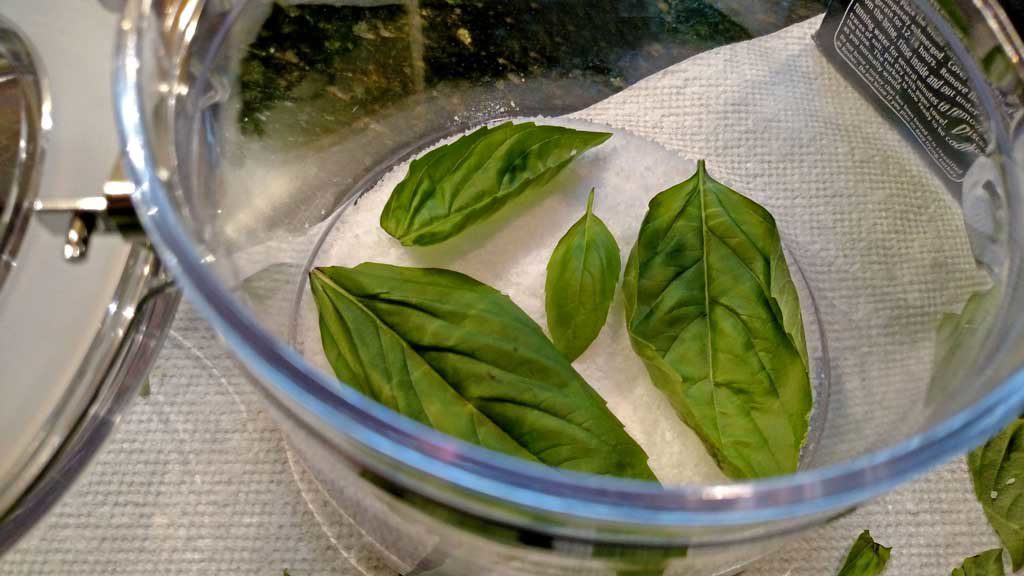
Step 2: Add a layer of basil leaves.
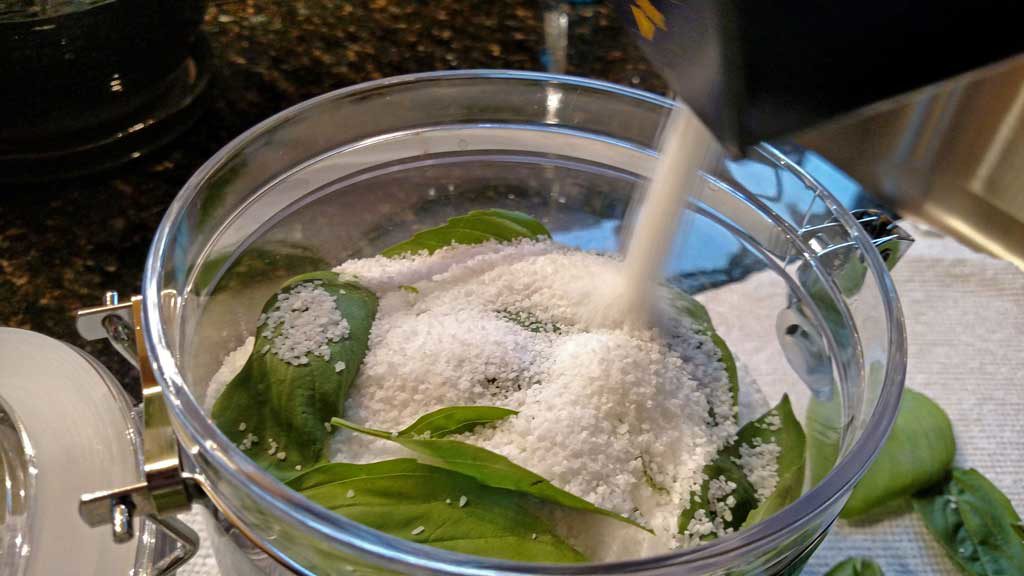
Step 3: Repeat until the jar is full. Seal the jar with a lid and store it in the fridge.
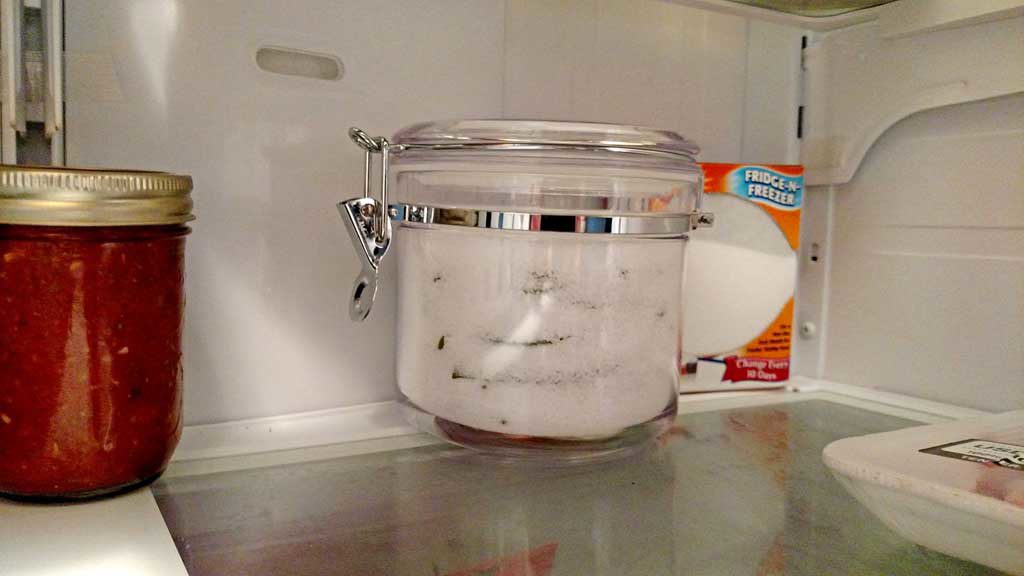
Basil stored in salt should last for about 6-9 months. The salt will not take on a basil flavor, but you can still use it as you normally would once all the leaves are gone.
Conclusion
Of the four methods, curing the leaves in salt was my favorite way to preserve basil for the winter. It’s clean, easier to retrieve leaves than the other methods, and ready immediately. I recommend the method the most.
Bonus 5th Option!!
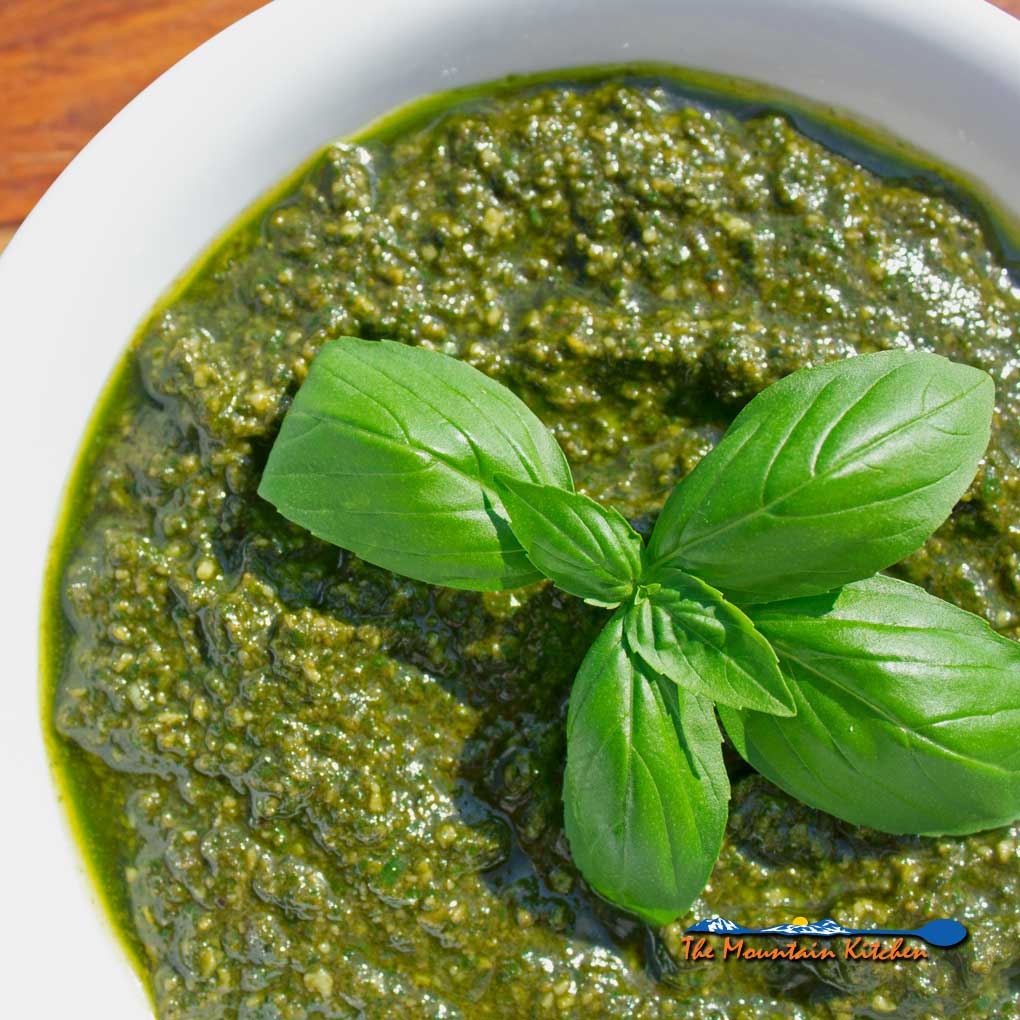
David and I love my pesto recipe, so that was not an option. You can find my delicious recipe HERE.
Have you ever preserved basil? What’s your preferred method?

Learn more about spice storage HERE.




David says
Good job baby
The Mountain Kitchen says
<3
Julie T says
So what is your update on the salt method?
The Mountain Kitchen says
Hi Julie! I just went back in and updated this post. Thank you for asking this question. Of the four methods, curing the leaves in salt was my favorite way to preserve basil for the winter. It’s clean, easier to retrieve leaves than the other methods, and ready immediately. I recommend the method the most. Enjoy!
Sharon says
Hi do you wash & dry the leaves before salting? Thanks!
The Mountain Kitchen says
Hi Sharon, yes! A salad spinner will help spin off the excess water. Just make sure they are completely dry before putting them into the salt. Enjoy!