

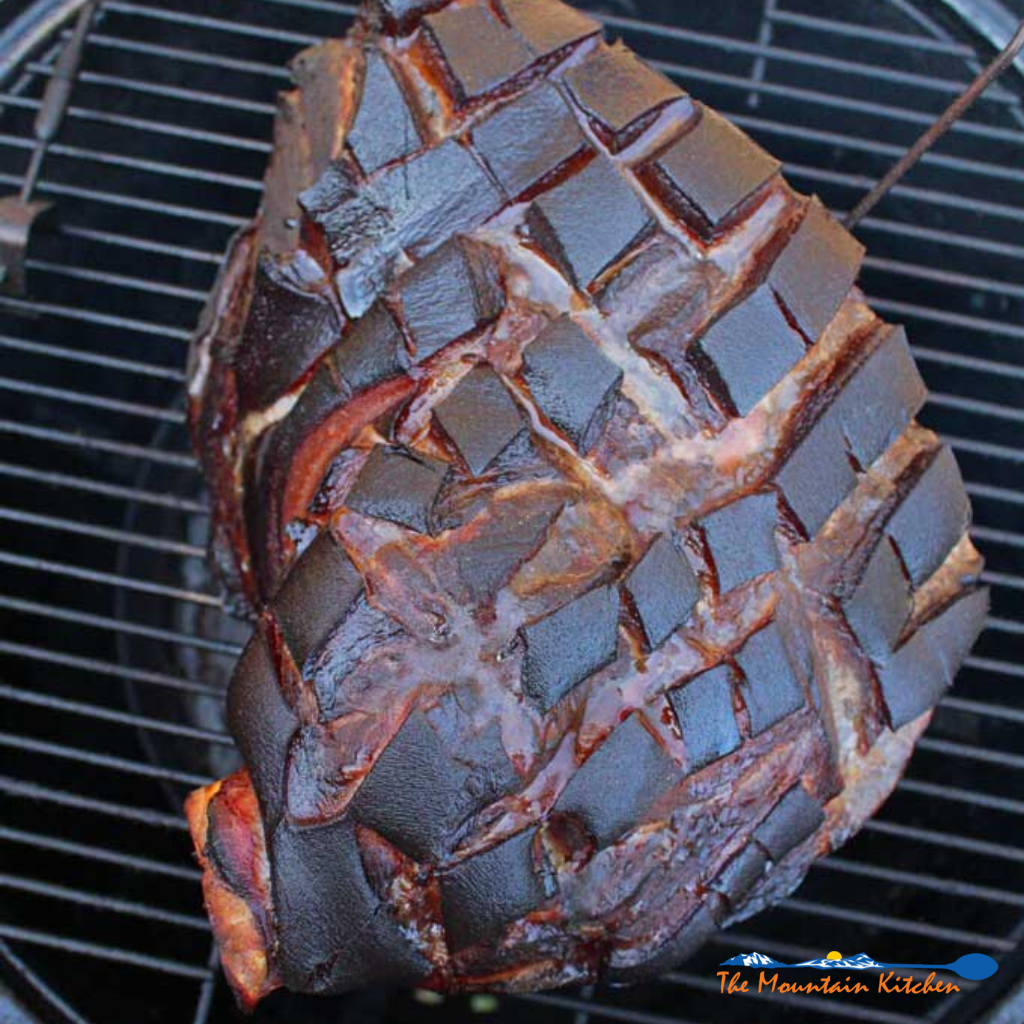
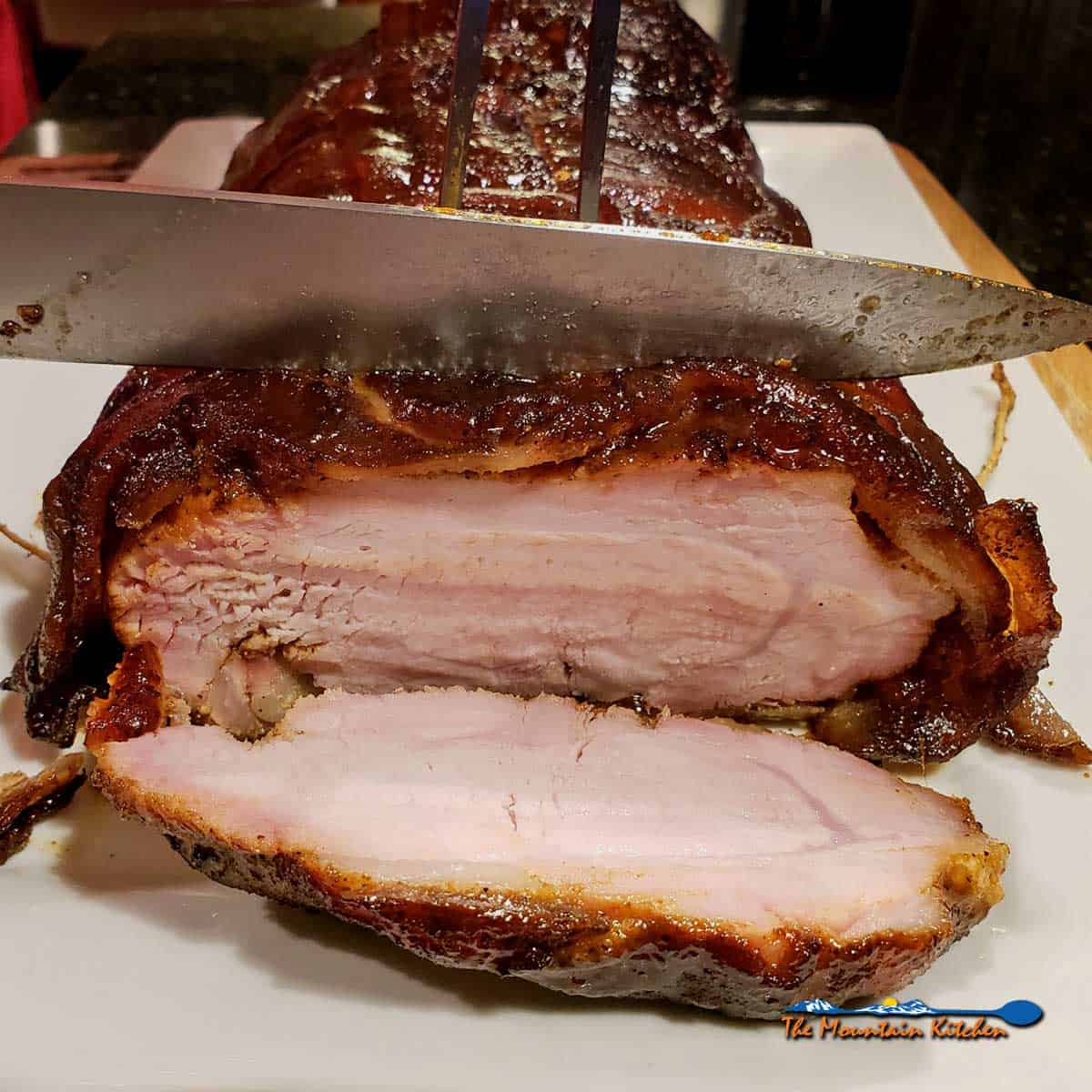
David and I use this versatile pork and poultry brine for smoking meat. This brine is especially good when smoking meat such as chicken wings, turkey breast, pork shoulder, bacon-wrapped pork loin, and even duck.
Yes, we may be a little late to the brining game. But we are now in the game, and that’s all that matters. We have fallen in love with this pork and poultry brine for smoking meat. It’s so good! It makes a huge difference in the outcome of our smoked pork and poultry.
But why?
We’ve learned a lot about brining meats such as pork and poultry, and we want to share what we have learned. We hope it will help you understand how brining can change your whole backyard smoking game too.
I’ve always been interested in Food science and wanted to learn more about what brine is and how it works. So forgive me because I’m about to go a little FOOD GEEK on you right now. And in case you are wondering, David agrees… ha!
What is Brine?
A brine is a high concentration of salt in water. A brine solution was initially used for food preservation before the great invention called the refrigerator came about.
Sugar is often added to balance out the salt as well as other additional aromatics from herbs, spices, and flavoring liquids such as fruit juice and syrups.
What Does Brine Do?
A wet brine does two things:
- Tenderizes the texture of the meat.
- Infuses the meat with great flavor.
How Does Brine Work?
When you place meat into brine, osmosis occurs.
“Osmosis is a process by which molecules of a solvent tend to pass through a semipermeable membrane from a less concentrated solution into a more concentrated one, thus equalizing the concentrations on each side of the membrane.”
google.com
The muscle fibers of the meat absorb liquid when soaked in the brine. As a result, the salt levels inside the meat equalize. This means the meat will have a higher liquid content. In addition, salt helps to dissolve the proteins in the muscle fibers.
In the end, the meat comes out of the brine juicer than when it was when placed inside the brine solution. This is because the excess moisture gets cooked out. As a result, you end up with juicy, tender meat.
What’s In This Pork and Poultry Brine?
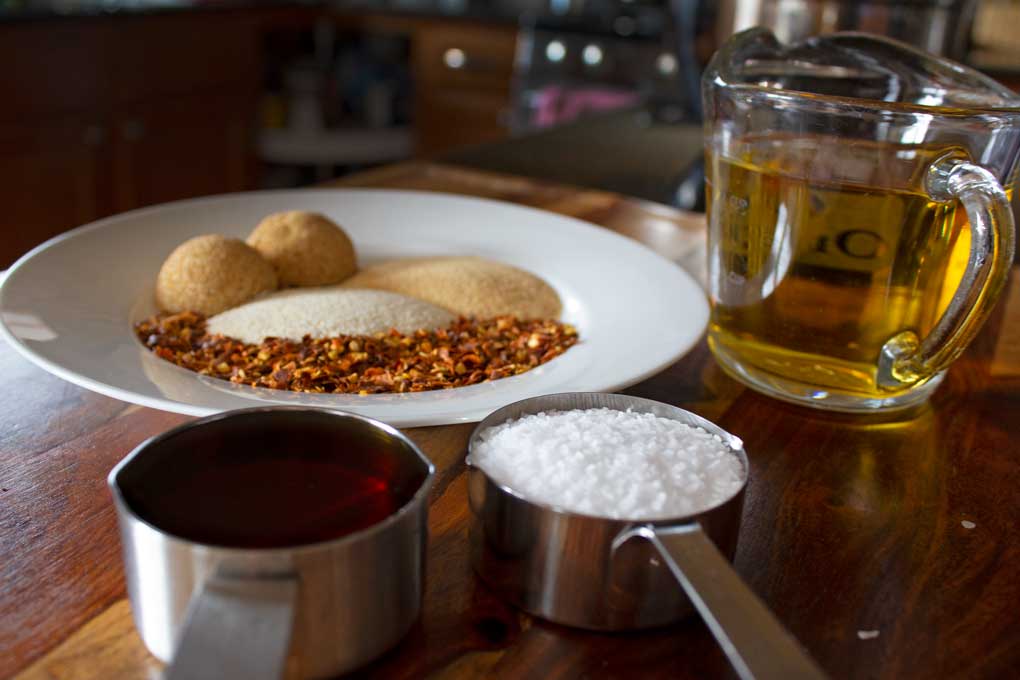
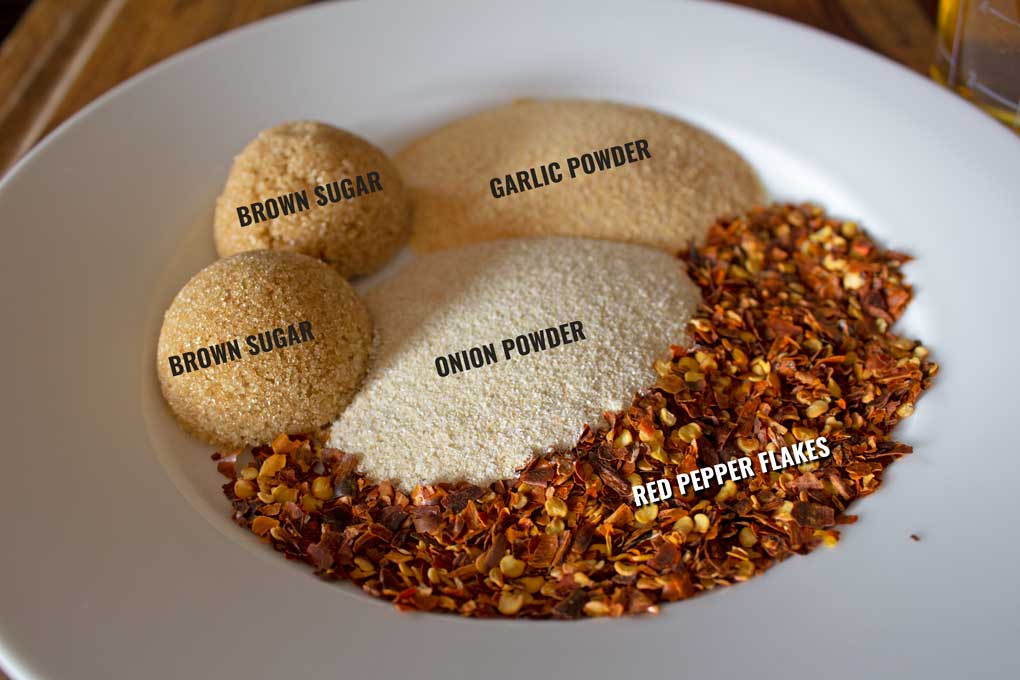
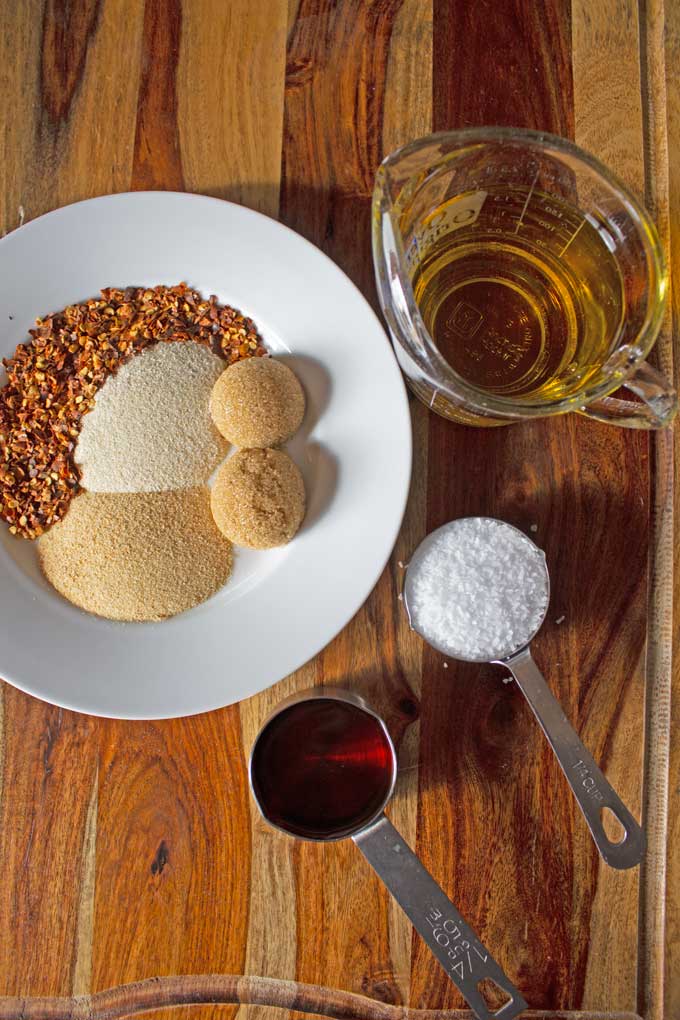
Besides the obvious salt and water, our pork and poultry brine have some other components to give the pork or poultry great flavor. The components of our Pork and Poultry Brine are as follows:
- water
- kosher salt
- apple juice – provides flavor
- maple syrup – provides sweetness
- brown sugar – provides sweetness
- crushed red pepper – provides heat
- garlic powder – aromatics
- onion powder – aromatics
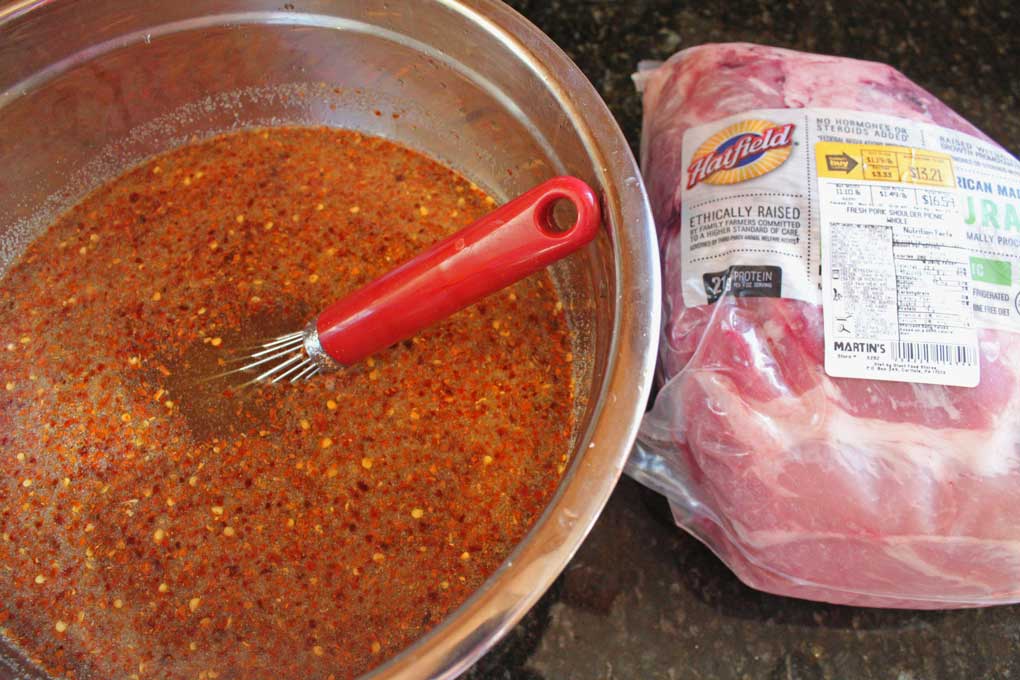
What Kinds of Poultry and Pork Do I Brine?
You can brine any cut of meat you want. Although the leaner cuts of poultry or pork will benefit the most, there is no such thing as too much flavor, so feel free to use this on larger cuts like butts or whole birds.
Any poultry, especially breast meat, along with lean cuts of pork such as pork loin, pork chops, or pork tenderloin and ribs, can benefit from being brined. While a brine can help the meat retain moisture during long low and slow smokes on larger cuts of meat.
Three Things to Keep In Mind When Using A Brine
There are three important factors to consider when brining meat. They are:
- Time – a general rule of thumb is to brine 1 hour per pound of meat. But there are exceptions to the rule. For example, thin cuts of meat such as pork chops and chicken pieces may need only about 30 minutes to an hour of brine time, while a whole turkey can brine for 6 to 12 hours. On the other hand, some recipes can go as long as 24 to 48 hours.
It’s best to follow your recipe and go with the lowest amount of time. If the meat isn’t salty enough, you can always adjust the recipe the next time you use it. - Ratio – Any brine should use a basic ratio of salt and water. Typically a brine is 4 tablespoons of salt per 1 quart (4 cups) of water OR 1 cup of salt per gallon of water.
- Meat Selection – It’s VERY IMPORTANT to check the label on any meat you are considering brining. Some meats come plumped and injected with a salt solution. If you brine a piece of meat that has already been brined, chances are it’s going to be too salty to eat after all is said and done.
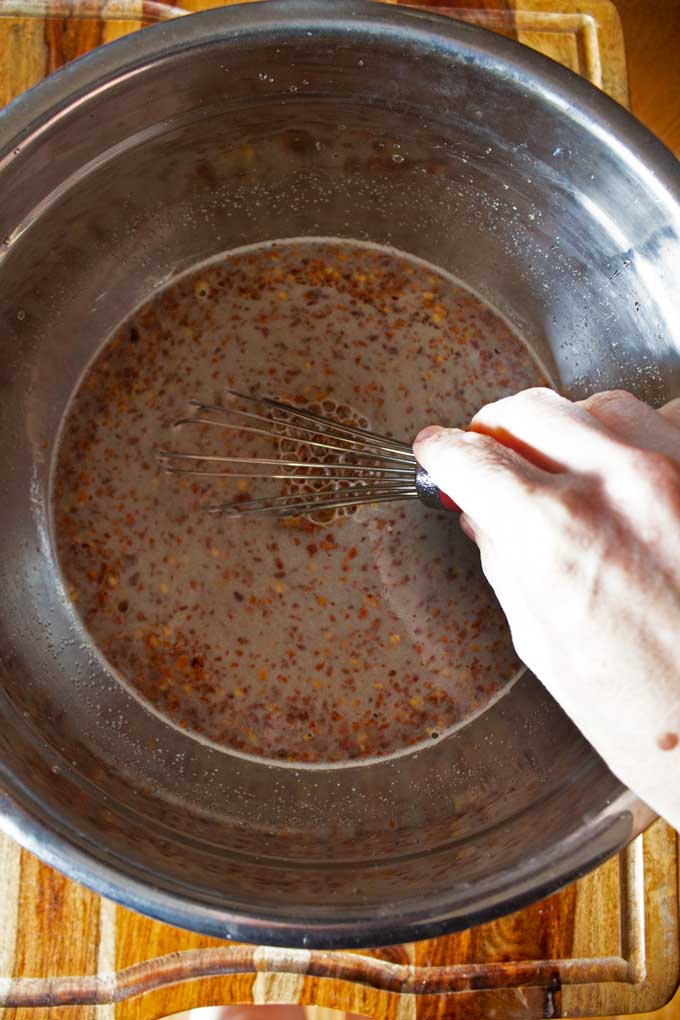
How To Use This Pork and Poultry Brine
- Combine all the ingredients of the brine solution, in a large bowl. Whisk the solution until all of the salt dissolves. Using a glass bowl helps you see whether or not the salt dissolves. Another way to check is to use a spoon and scoop up the brine from the bottom. There should be no salt in the spoon.
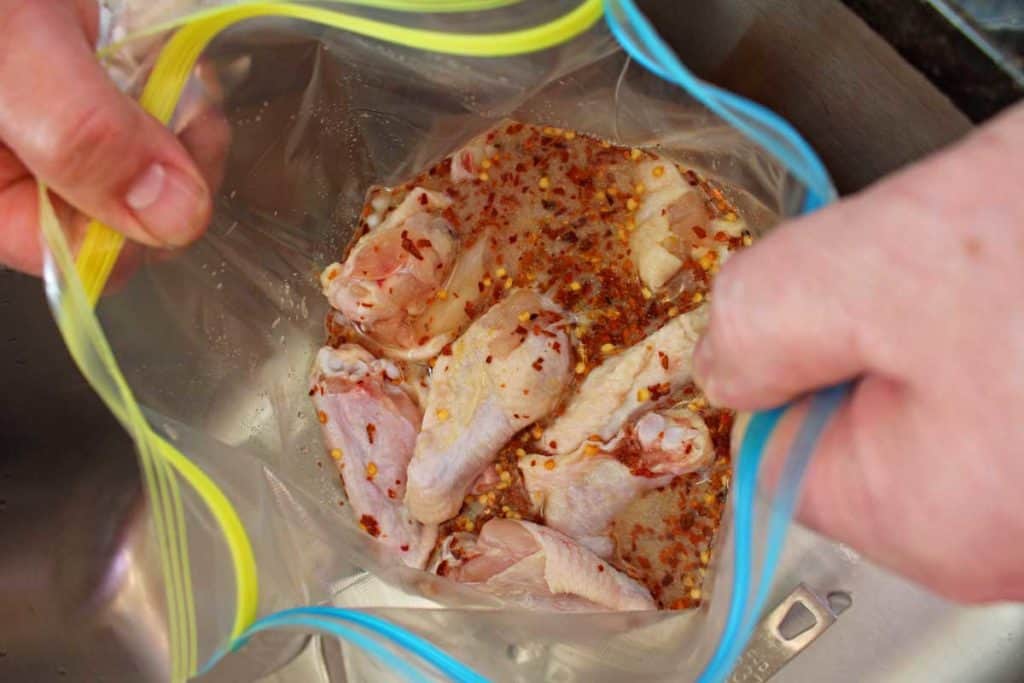
- Place the meat in a zip-top bag large enough to hold whatever it is you are brining. Pour the brine solution over the meat. Make sure the meat is submerged completely. If you do not have enough to cover the meat, then make another batch.
- Seal the bag squeezing as much air out of the bag as possible.
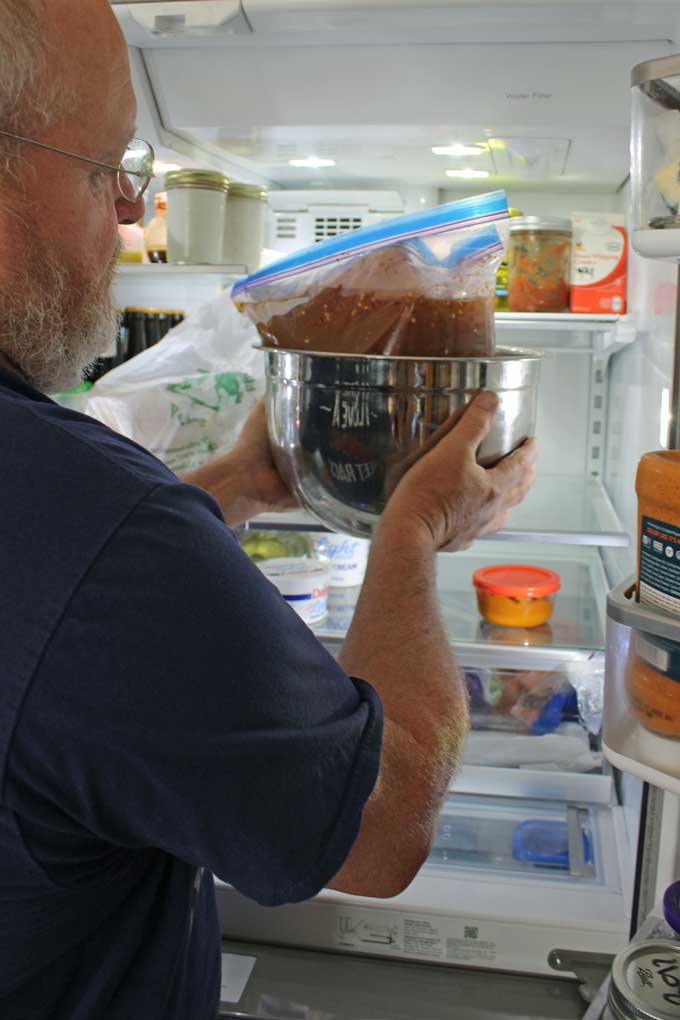
- Place the bag inside a bowl (to ensure no messy leaks inside the refrigerator).
- Refrigerate and brine for 1 hour per pound of meat.

Recipes That We’ve Used This Brine In
- Brined Smoked Pork Shoulder
- Brined Applewood Smoked Chicken Wings
- Bacon-Wrapped Hickory-Smoked Pork Loin
- Smoked Pork Chops – Brined With Reverse Sear
We have other recipes in the works, so stay tuned!
We hope you will enjoy using this pork and poultry brine as much as we do. What will you use it for? Comment below!

Pork and Poultry Brine
Ingredients
- 3 ½ cups water
- 1 cup apple juice
- ¼ cup kosher salt
- ¼ cup maple syrup
- 2 tablespoons brown sugar
- 1 tablespoon crushed red pepper
- 1 tablespoon garlic powder
- 1 tablespoon onion powder
Instructions
- Combine all the ingredients of the brine solution, in a large bowl. Whisk the solution until all of the salt dissolves. Using a glass bowl helps to you see whether or not the salt dissolves. Another way to check is to use a spoon and scoop up the brine from the bottom. There should be no salt in the spoon.
- Place the meat in a zip-top bag large enough to hold whatever it is you are brining. Pour the brine solution over the meat. Make sure the meat is submerged completely. If you do not have enough to cover the meat, then make another batch.
- Seal the bag squeezing as much air out of the bag as possible. Place the bag inside a bowl (to ensure no messy leaks inside the refrigerator).
- Refrigerate and brine for 1 hour per pound of meat.
Notes
- Time – a general rule of thumb is to brine 1 hour per pound of meat. But there are exceptions to the rule. Thin cuts of meat such as pork chops and chicken pieces may need only about 30 minutes to an hour of brine time, while a whole turkey can brine for 6 to 12 hours. Some recipes can go as long as 24 to 48 hours. It’s best to follow your recipe and go with the lowest amount of time. If the meat isn’t salty enough you can always adjust the recipe the next time you use it.
- Ratio – Any brine should use a basic ratio of salt and water. Typically a brine is 4 tablespoons of salt per 1 quart (4 cups) of water or 1 cup of salt per gallon of water.
- Meat – It’s VERY IMPORTANT to check the label on any meat you are considering brining. Some meats come plumped and injected with a salt solution. If you brine a piece of meat that has already been brined, chances are it’s going to be too salty to eat after all is said and done.





Kathleene Campbell says
What kind of rub do you recommend to use after this brine?
The Mountain Kitchen says
Hi Kathleene! We recommend our Pork Rub, which is also good on chicken or if you like things a little spicy you could try our Spicy Dry Rub Recipe For Almost Everything Enjoy the recipes!