
A guide to our best dry rubs. Learn how to make and use rubs and spices. Kick up chicken, pork, beef, seafood, and veggies with different spice blends!

Seasoning food with dry rubs and spice blends has been around for many years. However, since the ’90s, pre-seasoning meat has become very popular. Dry rubs add greater intensities of flavor, and it has caught on.
From the stovetop to the oven to the grill is an excellent way to up your food game.
What Are Dry Rubs?
A dry rub is a combination of “dry” ground spices rubbed onto raw meat before cooking. The moist meat will cause the dry rub to become damp and coat the meat.
Dry rubs come in a wide range of flavors. There are BBQ rubs, chili powders, curries, jerk seasonings, Old Bay, Cajun, and many more.
Making your own dry rubs is not only cheaper, but you can control what goes into them. You can eliminate artificial preservatives, and anticaking agents added to spices. Most importantly, you can control the amount of sodium, sugar, and heat due to dietary restrictions or intolerances.
Is A Dry Rub and Seasoning the Same Thing?
Yes and no. Seasonings and dry rubs both use dry ingredients to enhance and add flavor. And both can be applied before or after cooking. However, seasoning blends are more salt-forward and almost always contain black pepper and various accompanying spices and herbs.
In contrast, dry rubs are usually coarse and often contain salt but are not as salt-forward. Salt complements and brings out the flavor of the herbs and spices rather than just seasoning what it goes on.
Wet Rub Vs. Dry Rub
A wet rub is different from a dry rub in that it usually contains oil or some other type of liquid to help adhere to the meat, whereas a dry rub uses only the meat’s moisture to adhere. Vinegar, beer, liquor, juice, oil, and even mustard combine well to form a wet rub.

What are dry rub spice blends made of?
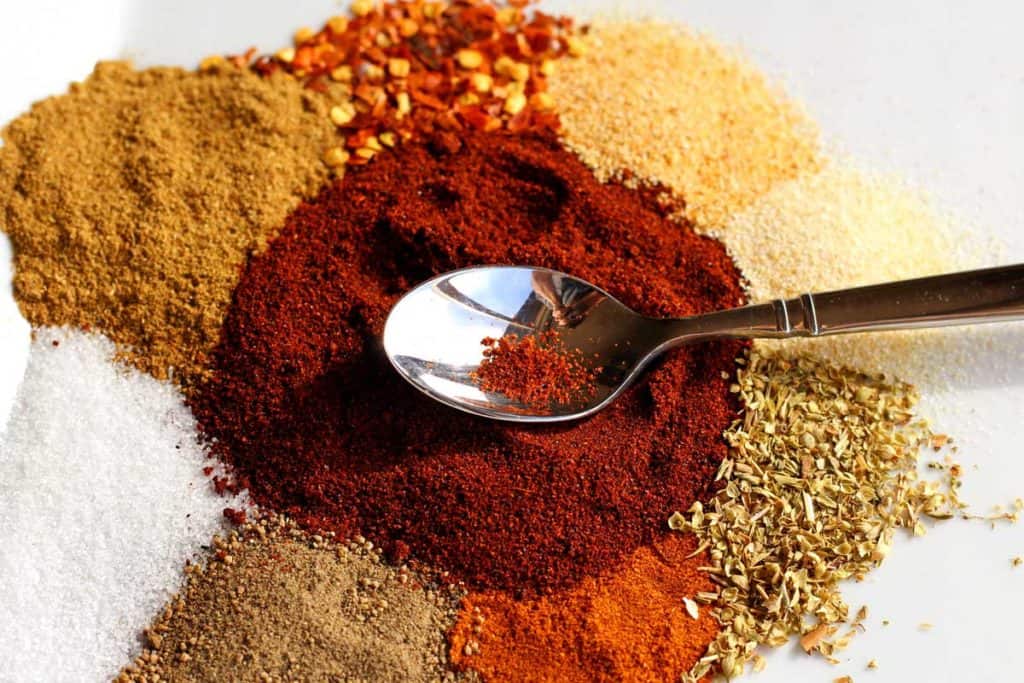
So, where do you start? Generally, dry rub spice blends and seasonings start with five essential components: Sugar, Salt, Savory, Herbs & Spices, and Heat.
Let’s talk about what each of these ingredients has to offer.
Sugar:
Sweetness is a common addition because it is a flavor enhancer, aids in browning, and helps form a crust. There is no substitute for sugar because the chemical properties of sugar are unique.
Type of Sugars: White sugar, brown sugar, powdered sugar, or artificial sweeteners if you shouldn’t eat sugar.
Salt:
Plain and simple, salt enhances the flavor of food. In small amounts, salt reduces bitterness and increases sweet, sour, and umami to awaken the taste of meats and vegetables. Salt also helps the meat retain water.
Not all salt is the same. If you don’t believe me, taste each salt side by side. There is a difference. We always use Kosher salt for our recipes because its larger granules are perfect for making dry rub spice blends.
Since Kosher salt granules are larger, only use half the about of table salt called for in a recipe that calls for Kosher salt.
If sodium is a problem, you can always cut back, but you need to add at least a little bit.
Types of Salt: Kosher salt, sea salt, table salt, and Himalayan Salt, just to name a few.
Savory Herbs and Spices:
Although there is a herb named savory, savory is commonly used to describe something having a pleasant smell or taste. In culinary arts, savory flavors come from amino acids called glutamates, green herbs, spices, garlic, and other flavorings.
Not all herbs and spices work together, nor do they work on all foods, but spices offer a broad range of great flavors.
Types of Savory Ingredients: garlic powder, onion powder, cumin, paprika, celery salt, ancho powder, sage, rosemary, thyme, basil, mint, cardamom, cinnamon, allspice, cloves, nutmeg, pepper, turmeric, mace, saffron, dill, chili powder (blend of mild chiles) are just to name a few.
Heat:
Hot pepper sensation or “heat” gives rubs and seasonings excitement. Black pepper is common, and so are ground hot peppers such as cayenne pepper or chipotle. Ginger, horseradish, and mustard powder also fit under this category.
Tips For Making Dry Rub Spice Blends
- Balance: The most important thing to keep in mind when making your own spice blends is that a rub is not only a mixture of spices and herbs; it is a mixture of flavors. A good rub will have a balanced flavor that adds to meats but doesn’t overpower them.
- Experimenting: Have fun experimenting with variations, but remember, you cannot judge a rub raw. It can taste very different after cooking. The juices of the meat mix with the herbs and spices, melt them, and undergo chemical reactions invoked by the heat of the fire.
Keep in mind there will be a bite-sized piece of food underneath the rub, and it will dilute it. You may not like rosemary, but after it mixes with the juices of the meat, a mouthful of pork with rosemary in a spice blend tastes pretty darn good! - Bloom the Spices: In culinary terms, blooming refers to a technique in which you heat herbs and spices to release and amplify the flavors.
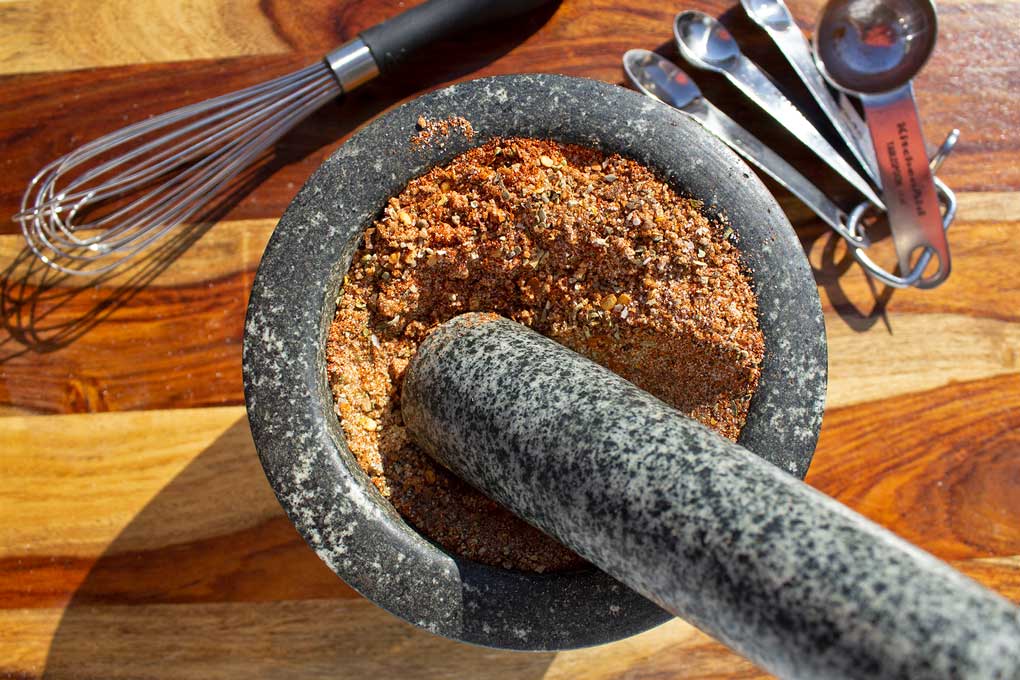
- Wake Up the Spices: Use a mortar and pestle or spice grinder to lightly crush and grind the spices to wake up and infuse the spices’ flavors and aromas.

How to Make Homemade Dry Rub
- Gather the Ingredients: It’s a lot easier to gather all of your ingredients before you start mixing the spices. This way, you don’t forget to add something. If you forget a spice, it could make the whole rub taste off.
- Measure: It’s a good idea to measure the ingredients into separate prep bowls or in separate piles in a bowl or plate. If you measure incorrectly, you can fix your mistake easily.
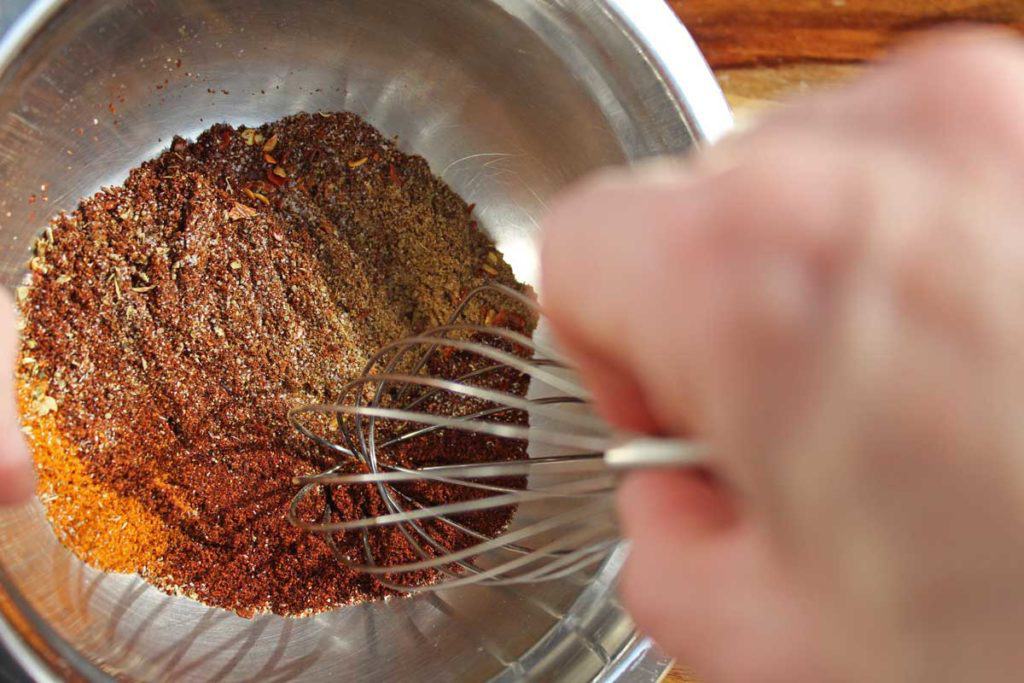
- Mix: Add all spices to a bowl and combine with a whisk. Add the rub to a glass jar and seal it tightly with a lid. Shake well before using.
Storage
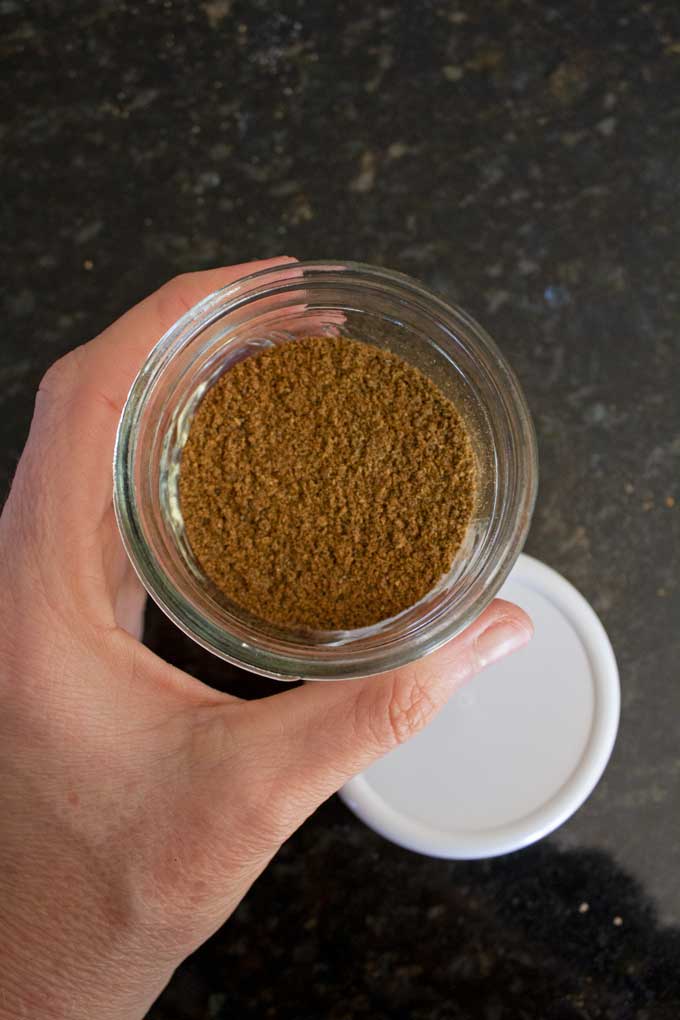
Seal the spices in an airtight container with a lid for up to 6 months. Always store spices in a cool, dark location. Above the stove is the WORST place to store spices!!
Learn more about spices storage and organization HERE.
How to Use Dry Rubs
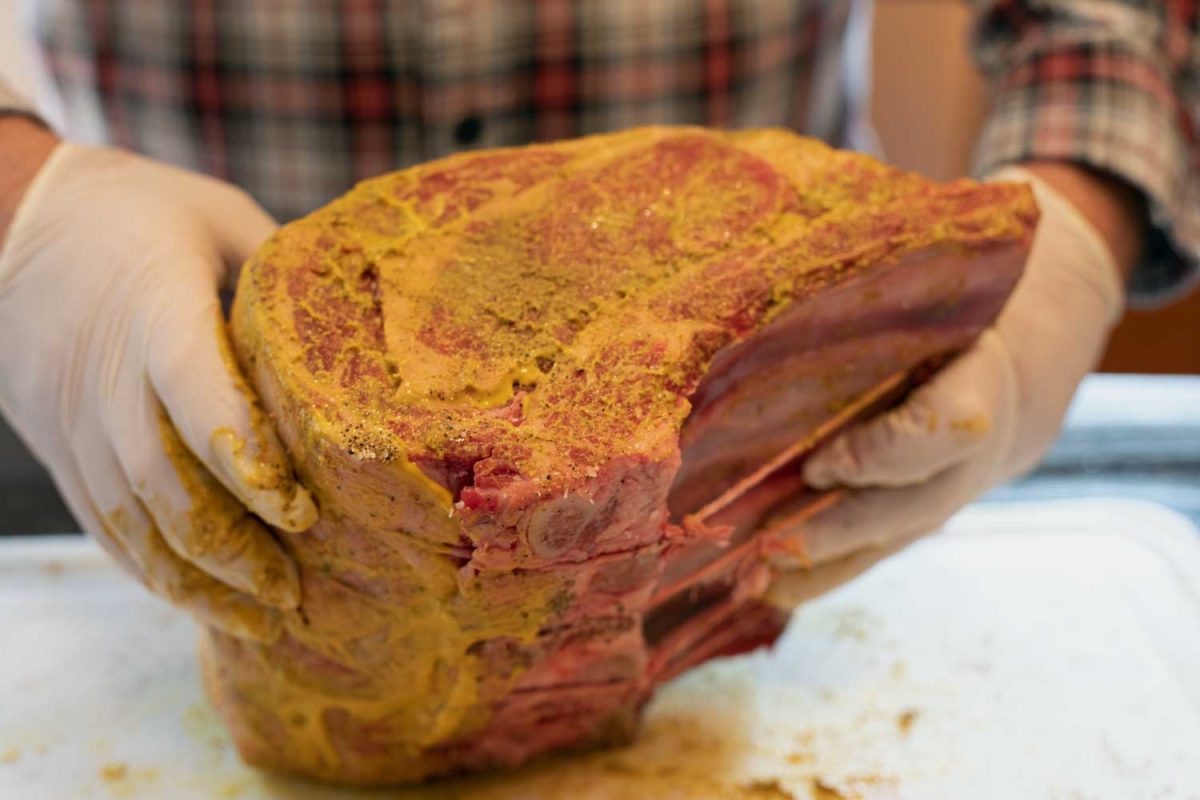
You may wonder what dry-rubbed means when someone says they are referring to meat with a spice blend applied. However, it is not rubbed onto the meat but pressed or patted onto the surface of the meat.
If you’re cooking a large amount of meat, the best way to use it is to pour a large portion directly onto the protein and lightly rub it around to disperse it. Take the meat, roll it over, and do it again until all sides are evenly coated. For smaller cuts, sprinkle it on evenly.
How Do I get the Dry Rub to Stick?
- For vegetables: Toss the vegetables with the seasoning and some of your favorite cooking oil.
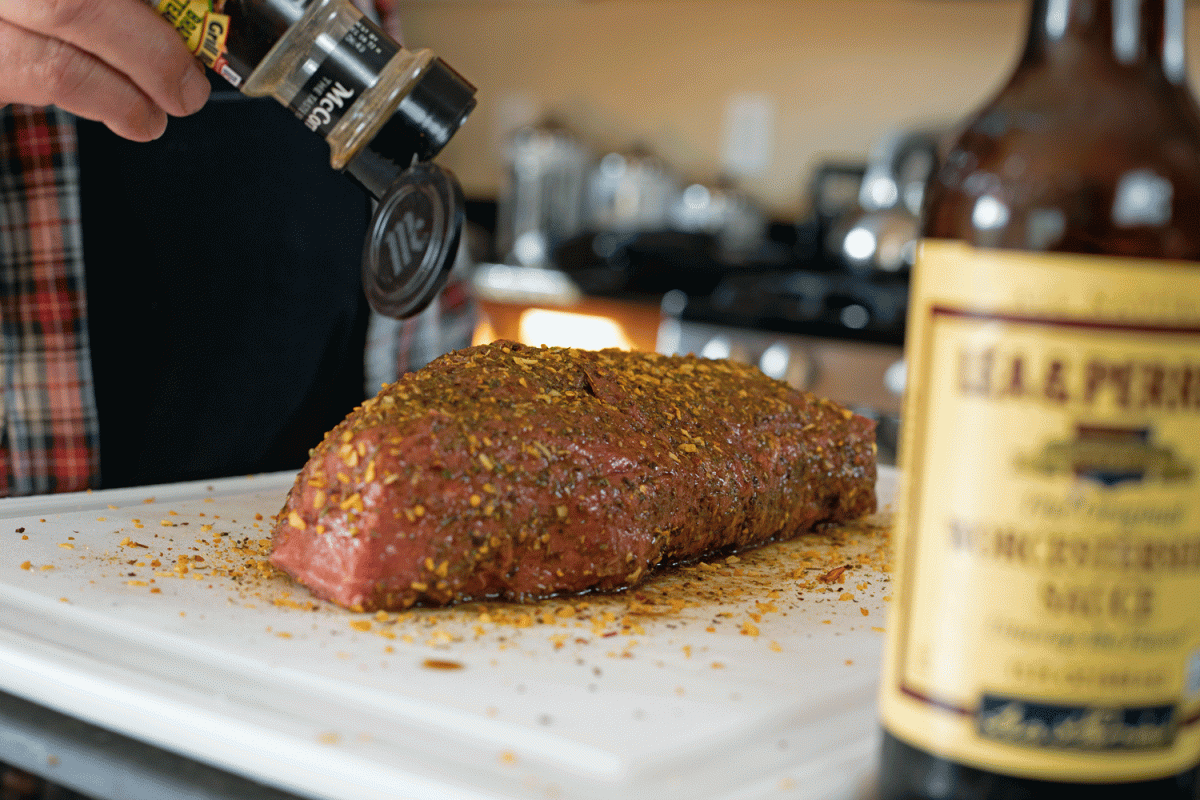
- For Meat: The meat’s natural juices should be enough to make the seasoning stick to it. If not, a binder may need to be applied to the surface of the meat to help the spices adhere.
A binder does not add much flavor to the meat. It just helps the rub adhere. You can use oil, prepared yellow mustard, or Worcestershire sauce instead.
Is Dry Rub the Same as Dry Brining?
Not at all. A dry brine is a technique in which salt is applied to meat (usually thick cuts) for a long period of time. The salt is rinsed off before cooking. A dry rub is applied shortly before cooking and may contain salt, other herbs, and spices.
Learn more about dry brining HERE.
Helpful Equipment For Making Dry Rub
The list below is of helpful equipment to have on hand for making dry rub recipes.
What’s the Best Dry Rub?
The best dry rub spice blends in the world are the ones you make yourself and like the best. We recommend you find a dry rub recipe you love, make a big batch, and put them in a spice shaker with a lid for safekeeping.
Below are some spice blends and seasonings to start you off. Try them out and adjust them to your taste.
You’ll love how much flavor these spice blends can bring to your food!

All-Purpose Pork Dry Rub
This is our favorite all-purpose pork dry rub recipe. We use this dry rub on anything pork! This dry rub spice blend does it all! It’s perfect for grilling, frying, searing, baking, or roasting. This is a great blend of barbecue spices David uses for his pork ribs and butts.
Beef Dry Rub
This is our favorite beef dry rub recipe. We use this dry rub on anything beef!
It’s perfect for grilling, frying, searing, baking, or roasting. Generously pat (rub) the spice mixture over brisket, beef ribs, chuck roast, tri tip, and steak before cooking. This dry rub spice blend does it all!
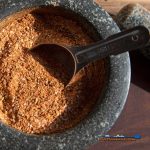
Poultry Dry Rub
This is the best poultry dry rub recipe! We use it on chicken, turkey, and duck! It’s perfect for grilling, frying, searing, baking, or roasting. It’s especially good on chicken wings, but this dry rub spice blend does it all!
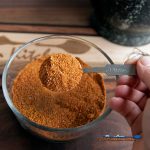
Lemon Pepper Seasoning
Lemon pepper seasoning is an all-purpose seasoning made of lemon zest, freshly cracked pepper, and salt.
This seasoning can be sprinkled on just about anything to give it a nice bright tang with a spicy bite. You can sprinkle this seasoning on fish, chicken, roasted vegetables, or anything you want.
Great on fish, chicken, pasta, and vegetables!
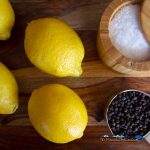
3-Minute Taco Seasoning
This is my go-to taco seasoning. It’s homemade with a blend of inexpensive herbs and spices that is easy to make. It is so much fresher than store-bought seasoning packets because it doesn’t have any artificial flavors, colors, or preservatives. It’s all-natural!
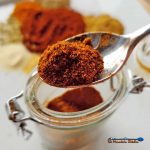
Spicy Dry Rub
Like all spice rub recipes, this one comes together quickly, and it’s a great way to add flavor to anything you want to throw on the grill or throw in the oven. We’ve tried it on beef, pork, and chicken, and although we haven’t had the chance, I’m sure it would go well on venison and lamb. Don’t stop there… Sprinkle it on veggies too!
The possibilities are endless!
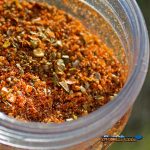
Greek Seasoning
Greek seasoning is a strange blend of herbs and spices, but when combined all together is pretty magical. This seasoning is made of an aromatic blend of dried herbs, some savory spices, and a few warm spices that round it all out.
This seasoning mix is easy to make and so versatile. You can use it to season just about anything from meat to taters!
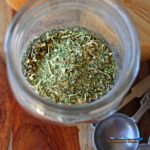
Seasoning Salt
This easy homemade seasoned salt recipe is yet another all-purpose spice blend you can make at home that can add something special to your dishes.
It can be used in several recipes, from soups and stews to snack mixes, fried chicken, grilled fish, and vegetables.
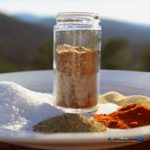
Garam Masala
Garam Masala is easy to make and healthy for you, consisting of simple pantry ingredients. If you love Indian cuisine or want to try something different and new, this is a spice blend you will want to try!
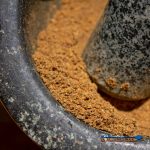
A fresh blend of whole, ground, raw and toasted seeds and spices adds something special to any dish in just minutes. This spice blend is used to season everything from meat to vegetables. It’s excellent, sprinkled into rice, sweet potatoes, and even butternut squash. It’s great on meat, in curries, stews, and lentils.





Duncan says
Great post!
I’m hoping to smoke my first pork roast sometime this week, and I think the homemade pork recipe just might be my inaugural seasoning.
The Mountain Kitchen says
Thanks, Duncan. My husband David is a pork man and he puts it on everything from ribs to butts. I’m going to use some tonight for some simple pan seared pork chops. You’ll love it! 🙂
Patrons of the Pit says
Nice! A service well done for the aspiring meat people of the world. I love your rub recipes too. You sure live good on the mountain!
On another note, I just wanted to let you know your site here is becoming more and more professional looking. It’s been an honor watching it grow and come along. I gotta say, you got it looking pretty good these days. It’s got that intangible something thing right now, that I think equals quality. It’s a lot of work I know, so, well done lass! And carry on…
Hi to David!
-PotP
The Mountain Kitchen says
Hi PotP!
Thank you so much for the HUGE compliment. I know you are aware of the time and effort it takes to make a blog post. You’ve made my day! 😀
I will pass on the greetings to David. 😉
Debbie
Julie is HostessAtHeart says
I love using rubs on meat! Thank you for your mixes!
The Mountain Kitchen says
You’re welcome. Hope you enjoy them!
dogear6 says
I love dry rubs! I have a whole board on Pinterest for rubs and marinades. One of my very favorite uses a small amount of coffee in it (unused grounds). I love it, but have to be careful to not eat that meat for supper.
https://www.pinterest.com/pin/140244975869720714/
Nancy
The Mountain Kitchen says
Oh that sounds great, Nancy! I used coffee in my chili 😉
Jackie Sheflin says
Do you have a rub recipe for Chicken that could be used for baking and or the smoker?
The Mountain Kitchen says
Hi Jackie! Thanks for reminding me to update my post. We sure do! Try the poultry rub recipe found HERE: https://www.themountainkitchen.com/2019/04/23/baked-chicken-wings-with-dry-rub/ Enjoy!
Pit Brothers BBQ says
We will definitely try this recipe
BH says
Used multiple times on different cuts and meats- so good! Also made a no spice version by substituting cumin for the cayenne
The Mountain Kitchen says
Awesome! So happy you like the recipe and made it your own. Thanks for taking the time to comment.
Roxie says
This rub tastes just like BBQ potato chips!! LOVE IT!!
The Mountain Kitchen says
Thanks so much, Roxie!
Paul J Eaton says
This message is amazing Guys. I will be printing this off and making it as one of my winter projects. Thanks for all your messages. Have a great holiday season.